

Natural Health Remedies
For Your Body and Mind

Margie Garrison
"The Arthritis Lady"
The information contained on this site is not presented by a medical practitioner and is for educational and informational purposes only. The content is not intended to be a substitute for professional medical advice, diagnosis, or treatment. Always seek the advice of your physician or other qualified health provider with any questions you may have regarding a medical condition. Never disregard professional medical advice or delay in seeking it because of something you have read.
Copyright 2000-2010 Your Success Links.com Inc. All rights reserved.
Your Success Links.com, Inc. - 11424 - 115th Street N - Largo, FL 33778
How To Repair A Damaged Metabolism
By Tom Venuto, NSCA-CPT, CSCS
If you've caused metabolic damage as a result of following starvation diets or losing weight too rapidly in the past, it can be extremely difficult to achieve any further fat loss at all. The good news is, metabolic damage can be repaired. All it takes is the right combination of metabolism stimulating exercise and metabolism stimulating nutrition (NOT just a diet), all done consistently over time.
The big irony is that most of the diet programs that claim to help you get rid of excess weight, only end up making it harder for you in the long run because they use harsh metabolism-decreasing diets and not enough exercise (almost never any weight training).
It may take a little longer if you have really messed things up with severe starvation dieting in the past, especially if you've lost a lot of lean body mass, but it is never hopeless. Anyone can increase their metabolism.
Most people get an almost immediate boost in metabolic rate when they start the Burn The Fat program. However, the results are not going to be "overnight." Give it a little time...
Within 3 weeks your metabolism will already be more efficient. Within 6-8 weeks, it's burning hot. Give me 12 weeks of consistent diligent effort, sticking with all the metabolism boosting strategies I teach, and your metabolism really will become like a turbo charged engine, and I'm not exaggerating when I say that.
What’s most important for upping your metabolism is CONSISTENCY in applying the Burn The Fat nutrition and training principles every single day.
That includes:
- Meal frequency: eat 5-6 small meals per day
- Meal timing: eat approximately every 3 hours, with a substantial breakfast and a substantial post workout meal.
- Sufficient Caloric Intake: maintain a small calorie deficit and avoid starvation-level diets (suggested safe levels for fat loss: 2100-2500 calories per day for men, 1400-1800 calories per day for women; adjust as needed)
- Food choices: Select natural, unprocessed foods with high thermic effect (lean proteins like chicken, turkey, egg whites and fish are highly thermic, as are all green vegetables, salad vegetables and other fibrous carbs)
- Cardio training: Push up the intensity a bit if you really want to get a metabolic boost. Walking and low intensity cardio is fine, but higher intensity is more metabolism-stimulating
- Weight training: The basic exercises that include the largest muscle groups or even call into play the entire body as a unit (squats, front squats, split squats, deadlifts, stiff legged deadlifts, overhead presses, all kinds of rows and core-activation exercises) will have a much greater metabolism stimulating effect than isolation exercises (concentration curls, calf raises, etc)
- The weight training is extremely important in cases of "metabolic damage" because this is the stimulus to keep the muscle you have and begin rebuilding new muscle tissue, which is the engine that drives your metabolism.
The men don't usually have a problem with the weight training, but I still hear women say they don't want to lift weights as part of their fat loss programs. Well, people who wont lift weights can expect a very, very long metabolism "repair process" if they achieve it at all.
Consistency is the key.
Nothing will undermine the "re-building" of your metabolism like inconsistency. If you stop and start, or skip meals and workouts often, you will not even get off the ground.
After your metabolism is back up where it should be, it takes continued "stoking" of the metabolic furnace to keep it there. Once you get your metabolic engine running, you've got to keep feeding it fuel or the fire will die down.
Picture an old fashioned wood burning stove...
Imagine you're in a cabin up in the mountains in the winter. It's cold in there and you want to keep the cabin warm. Can you achieve this by feeding the fire once or twice per day? Nope. Not enough fuel to burn, so not much heat is generated.
What if you just toss an entire pile of wood in the stove all at once? Will that work? Nope. Lots of fuel, but can't all be used at once... it just smothers the fire and the excess just sits there.
How about if you throw some tissue paper or crumpled newspaper in the stove, will that work? Nope - too quickly burning.
You have to keep putting small amounts of wood (the right type of fuel) on the fire at regular intervals or the fire burns out.
It's also difficult to get the fire lit again. In the case of metabolism, it's like going through that initial few weeks of overcoming inertia all over again.
Your goal is to get your metabolism burning hot and keep it burning and this cannot be achieved by missing meals, missing workouts or with sporadic, infrequent training.
I have only seen a handful of cases where all these things were done properly and there was still a longer "repair" process.
For example, one case was former ballet dancer. At 5' 5", she was previously 110 lbs and had increased to about 145 or so. She didn’t want to reach her previous 110, but find a happy medium of about 125 lbs.
I figured with 20 lbs to cut, this would be a simple and predictable process, but she had a challenging time (and I didn't know why at first).
I later found out that she had been anorexic and bulimic for many years. This had caused a lot of damage, and although she did reach her goal, it took about twice as long as we had anticipated.
The good news is, even in this extreme case, the same nutrition and training principles worked! It just took a little longer. And by the way her program included some serious training with free weights and she ate a lot more (clean) food than she had ever eaten before. No "starvation!"
That’s the power of burning the fat and feeding the muscles... Trying to starve the fat with crash diets is what causes the metabolic damage in the first place!
If you’re interested in the healthy, sensible way to take off the fat, while keeping all your muscle and actually increasing your metabolism in the process, then my Burn the Fat, Feed The Muscle program can teach you how. No gimmicks or false promises. Just the truth - you have to work at it and you have to be patient.
------------------------------------------------------------
About the Author:
Tom Venuto is a natural bodybuilder and author of the #1 best selling e-book, "Burn the Fat, Feed The Muscle,” which teaches you how to burn fat without drugs or supplements using the little-known secrets of the world's best bodybuilders and fitness models. Learn how to get rid of stubborn fat and turbo-charge your metabolism by visiting: BurnTheFat.com.
Articles For August 2008
August 28, 2008
- Are Drugs Necessary, Do Foods Heal?
- 10 All-Natural Steps to Achieving Your Health Goals
- Are We Getting Well or Creating Additional Health Problems?
August 21, 2008
- What is Ayurveda, Amalaki and Zrii?
- Dangers of the Drug - Femara
- 10 Steps to Happiness - Naturally
- Bottled Water - More Than 30% Comes From a Public Source
August 14, 2008
- Dangers of the Medication (drug) Vytorin
- Reduce The Risk of Alzheimer's
- Dementia Can be Frightening - What to do?
August 7, 2008
- Restless Leg Syndrome - Are the Benefits worth Taking the Drug Requip?
- Releasing Emotional Toxins
- Protect Your Heart With These Miracle Fats
- What is Inflammation and How Does It Cause Pain?
- How To Repair A Damaged Metabolism
"Amazing Secrets To Fantastic Health"
Alternative Health Newsletter
Are We Getting Well or Creating Additional Health Problems?
Are we getting well or creating additional health problems caused by the side effects of medications?
More and more people are turning to natural health methods to successfully stay healthy, treat ailments and avoid the dangerous side effects of drugs.
Even over the counter drugs are causing you harmful side effects.
For example: Tylenol (Acetaminophen); prolonged use can damage the liver and kidneys.
Maybe not today, but down the road the continued used of over the counter and prescribed drugs will lead to harmful side effects.
Some side effects are worse than the ailment itself.
A friend of mine suffers from anxiety and panic attacks. After seeing two doctors for 6 months, prescribed 5 or 6 different drugs, she couldn't take it any more. She stopped going to the doctor because each drug she was given had side effects that made her feel worse than the anxiety and panic attacks ever did.
There are natural remedies for anxiety and panic.
Let's take a look at a few common conditions, the popular drugs used to treat them and the side effects.
* ACNE *
Antibiotics, such as Clindamycin, can cause colitis, which causes (among others) bloody stools and in some cases can be fatal.
Some doctors prescribe contraceptive pills for girls suffering from acne, which contain estrogen. This drug suppresses the hormonal actions, and produces some dangerous side effects; nausea, vomiting, headaches, weight gain and liver malfunctions.
* ARTHRITIS *
NSAID, (Nonsteroidal anti-inflammatory drugs) have terrible side effects.
For example, Celebrex may increase the chance of heart attack or stroke, which can lead to death. This chance increases if you have heart disease or risk factors for it, such as high blood pressure, or when NSAIDs are taken for long periods.
They also increase the chance of serious skin reactions or stomach and intestine problems, such as bleeding and ulcers, which can occur without warning and may cause death. With any of these medicines, patients also taking aspirin and the elderly are at increased risk for stomach bleeding and ulcers.
* BLOOD PRESSURE *
The drug Norvasc is used for high blood pressure and angina.
The most common side effects edema, headache, fatigue, and dizziness.
* CHOLESTEROL *
Lipotor has serious side effects such as:
Serious muscle problems, may lead to liver and kidney problems, including kidney failure.
The most common side effects are headache, constipation, diarrhea, gas, upset stomach, stomach pain, rash, muscle and joint pain
But wait, it gets better.
Now there is a drug for both High Blood Pressure and Cholesterol. It is Caduet, a combination of Norvasc and Lipotor which causes the side effects of both drugs.
Those are just a few examples of medicationsand the harmful effects they have on your body.
There are natural remedies for headaches, acne, arthritis, blood pressure and cholesterol and more.
Learn all you can about your health issues and the choices you have.
You can stay healthy by taking a more natural approach and providing your body with wholesome foods, daily exercise, and a quality vitamin supplement.
If you or a loved one suffers from an ailment, consider your options of treating it naturally.
There are literally 1,000's of natural health remedies that will help you without drugs and their dangerous side effects.
There are natural alternatives for:
* Acne
* Anxiety & Panic
* Arthritis
* Asthma
* Blood Pressure
* Cancer
* Cholesterol
* Diabetes
* Ear Infections
* Heart Health
* Headaches
* Insomnia
* Weight Loss
Just to name a few.
Don't jeopardize your health with the harmful side effects of drugs.
You may have heard the old saying, "Without your health you have nothing." Your health is everything; it's your future, hopes and dreams.
Natural Health Articles
More articles are being added all the time, so check back often
Natural Health Experts
Meet the experts and read eye-opening articles that will help you become and stay healthy.
More To Come!!!
Are Drugs Necessary, Do Foods Heal?
How do Drugs Act?
There is only one way they can act. That is chemically. Chemical action is the only action of which drugs are capable; the therapeutic, pharmacological, physiological, toxicological actions are all appearances.
We are deceived because we persist in ascribing the actions to the body to the action of drugs.
The many actions such as vomiting, diarrhea, sweating, sedation, stimulation, palpitation, etc which occur after taking drugs are actions of the body. These are defensive, remedial and eliminative actions. The body is defending itself against the poison.
Do Foods Heal?
What happens when we take food? How does it act on the body? Nothing happens. No action follows the taking of food. It is acted upon to digest and utilized it, no sedation occurs, no vomiting occurs, no palpitation occurs.
But if symptoms do arise we say it is because we have been poisoned, we use the term "food poisoning". Food is not a poison. There is a distinction, not between the actions of food and the body in relation to food and the actions of the body in relation to poison.
The body is the actor and the food or drug is acted upon
Drugs Incapable of Construction Purposes.
Drugs represent substances that are inimical to life. They are not usable; they cannot supply materials for the building of tissue, for the manufacture of functional products or for use in the performance of the body's functions.
Their actions are an illusion. It is not the drug which vomits it is not the laxative which purges, it is not the diaphoretic which sweats, and it is not the stimulant which accelerates the heart action.
These are all processes of the living organism. Here the operative word is "living", for in direct proportion to the degree of vigor inherent in the organism is the action in relation to drugs.
The feeble and old do not display the vigorous action seen in the young and healthy when drugs are taken. No matter how "powerful" the drug, it is incapable of "acting" in the dead body.
It is of Vital importance to our understanding of health, disease and healing whether the drug acts to produce functions or is acted upon and expelled by functions. It is not denied that action follows the taking of a drug but action follows the taking of food or the breathing of air. The question we have to settle is which performs the action, the living organism or the passive, inert chemical?
DRUGS CAPABLE OF CHEMICAL ACTIONS ONLY
All poisons, drugs, medicines, have the tendency, because of their chemical nature, to combine with the constituents of the body. That is they tend to form a chemical union with the body's substances. This is chemical action. When a drug is taken this may occur and there is destruction of tissue with impairment of the organ or part.
The emetic may combine chemically with the constituents of the stomach and damage it; the purgative may combine chemically with the bowels and damage them. This is chemical action and the body seeks to prevent by its many defensive, expulsive actions.
Vomiting is produced to expel the poison before it combines chemically with the tissues of the stomach, purging is accomplished in order to prevent damage to the bowels as a result of chemical union with the drug and their constituents.
If the common drug aspirin is taken, certain effects may follow: the acceleration of the heart is the action of the body, the erosion of the stomach wall is the chemical action of the salicylic acid: the damage to the kidneys is chemical action. When digitalis is taken there is an alteration in heart action: this is the action of the body. The myocardial (heart muscle) damage which follows its use is the result of chemical action.
Chemical actions not body-controlled are dangerous.
Drugs act chemically and in this way they permanently damage the body. For when two substances unite chemically the resulting compound differs from the former substances.
When a drug "acts" chemically on the tissues of the body the resulting compound does not resemble the drug nor the tissue constituents. If drugs combine chemically with the constituents of the cells of the body the cell will die in the process.
The body's resistive, defensive, expulsive actions are employed to prevent this chemical union occurring.
If drugs are taken regularly over a long period of time, they gradually lose their effect. Large doses are often given as the drug no longer has the power to "act" as effectively as when it was first prescribed.
The truth of the matter is that it never had any power, but as a result of the continuous defensive and expulsive efforts made by the body it has lost its power to produce the same vigorous actions. The body has become exhausted and weaker.
"People cannot be poisoned into health"
Every action performed by the body in defense against drugs weakens it. We cannot poison people into health. Drugs do not remove the cause of disease; they do not supply the materials of health.
It is a hygienic principle that if substances are harmful to the body in health they are harmful in disease. It is indeed a strange "science" which teaches us that substances which make us sick when we are well should be taken when we are sick to make us well.
What does all this mean? It means that it is your job and your job alone to build up your immune system. It was meant to function perfectly.
How to do that is simple. Get the proper minerals and vitamins and in the proper order at the proper time and you can rebuild your immune system.
10 All-Natural Steps to Achieving Your Health Goals
Step 1 - Take Stock of Your Health
The first step is to take stock of your health as it is today.
I want you to make two lists.
- Your health as it truly is today.
- Exactly how you want it to be 6 months from now.
This is not a test. You do not have to show it to anyone. You could send it to me and I will make suggestions as to how you can make the changes but it is for you. You created who you are today. And you can change who you want to be the rest of your life.
You might also make a list of your immediate ancestors' health to make a comparison. So you will make three lists.
You cannot make changes if you do not recognize what you have to change. And take responsibility for that change.
Step 2 - Digestive System
Did you know that 60 to 70% if hospitalizations are directly tied to your digestive system?
By the age of 58 almost 1/3rd of Americans has lost the ability to produce any hydrochloric acid.
I have found that almost 100% of those who come to me and beg me to get rid of their arthritis are really malnourished. Even people who are 50 pounds or more overweight are malnourished.
Surgery for removal of your gall bladder is the second most popular operation in hospitals today.
How many people do you know who have ulcer and indigestion problems and probably taking drugs for them? Do not call them medications. They are DRUGS….
As you grow older and continue to eat the "All American Diet" that is killing us, you have made your digestive system less and less able to do the job that God meant it to do. Right?
The answer is very cost effective and seldom used. Change your way of eating. I repeat, Change your way of eating.
Most people eat junk. Stop that. This is what you must cut out of your diet. All sugar, all flour, all dairy, except for real cream, eggs and real butter. All decaffeinated products. All products that say they are hydrogenated. All products that say Lite or sugar free.
These are slowing killing you and robbing you of your God given right to have your health in good running condition.
You cannot continue what you are doing and expect different results? You are fooling yourself.
Give up all the antacids. Drink a full glass of water if you have digestive problems and see the difference that makes.
Step 3 - Water
How many times have you been told your body is between 50 and 70% water. You know you must have 8 glasses a day to keep the toxic waste out of your body. Are you doing it?
Most people do not drink enough water. So do you want to be lazy or do you want to be healthy?
It is easy to drink. Eight glasses a day. Make sure you are drinking good water. If your water system has approval of the EPA this is what they allow in your water. Lead, arsenic, mercury, radioactive particles and a long list of other poisons.
Even the EPA has a monitoring list of no more than 100 chemicals allowed in your water. That simply means they allow at least 100 chemicals into our water supply. And you drink it.
Your body tries to detoxify you. Your body gradually deposits lead in your system into your bones. As we get older this can cause problems especially in women as they age.
Our government allows fluoride to be added to our water system. They started this in the early 20's due to an acclimation of fluoride materials they had and had to get rid of it and decided to add it to our water. Cancers started to rise by 5% where it is used. It was very profitable to sell this fluoride to our cites.
They keep telling you that fluoride helps prevent cavities but research has shown this is false. If it were true there would be no cavities in the U.S. since our water is loaded with it.
Check out different methods of getting better drinking water.
By the way, be careful of those long, hot showers. When water is heated that hot and creates steam all the chemicals come into the air. You are standing in a closed area breathing in all those chemicals.
You can get a filter for the shower at most hardware stores.
Step 4 - Exercise
I know what you are thinking. But do you want to be healthy or not. Pick an exercise you like. Whether it is walking, swimming, biking or whatever you enjoy.
30 minutes of continual exercise with raise your heart level and if done a minimum of 3 times weekly will keep you fit. More is fine but it must be enjoyable or you will quit.
When I lived on the top floor of a tall building it was just too much to get ready and go out so I measured off what was a mile in my home and walked around and around. It is about 15 minutes.
You do not need to wear fancy clothes. Just keep moving for 30 minutes.
Do deep breathing exercises. Stand or sit tall. Inhale at the count of 7… hold it and for the count of 17… now exhale at the count of 7
Do this at least 10 times a day. You will be amazed at the difference in how your day goes and how you sleep better.
Try to get it up to inhaling to the count of 11... holding it for the count of 21 and exhaling at the count of 11. It will take some time to do this because most of us take very shallow breaths.
Step 5 - Our Colon Condition
If you have a healthy colon you have over 380 different species of micro-organisms living there. That is about 2 lbs of your body weight. Good bacteria does several things.
- A slightly acidic environment inhibits the grown of undesirable bacteria like salmonella, shigella, and E coli. These bacteria also produce a volatile fatty acid which, along with the acids, make it difficult for fungus and yeast, like candida to survive.
- Normalize your bowel movements. Good bacteria helps this.
- Improve the ability of your immune system.
- Aid in the formation of certain vitamins like vitamin K, which helps in blood clotting and formation of new bone.
- Aids in the production of lactase.
- Deactivates various cancer-causing compounds either produced by other organisms or from foods.
- Instrumental in regulating cholesterol levels.
- Helps regulate hormone levels.
- Eliminates gas problems and sweetens the breath.
Step 6 - Supplements
There comes a time in each of our lives we must decide to fortify our diets with vitamin supplements.
The average person on the street thinks it's normal to suffer from things like constipation, headaches, indigestion, obesity, fatigue, lack of concentration and arthritis. Among over a 100 degenerative disease that doctors say cannot be cured.
You have heard about the septic tank company's article on what is usually in the septic tanks.
They find complete vitamin capsules there. They just went into the people and straight out through the bowels and never even let anything into the body. A total waste of time and money and these people of course thought they were doing the right thing.
Don't waste your time and your money and more importantly, your health.
Consider using liquid supplements.
Step 7 - The Importance of Vitamin C
You need vitamin C to help you protect water-soluble molecules. You also need vitamin. E
You need to understand the word antioxidants.
The word oxidation describes the process in which something chemically combines with oxygen... All the energy in our bodies is produced through the oxidation of carbohydrates, fats and proteins. Antioxidants are substances which either slow or completely stop this process. The body needs antioxidants to manage and fine tune the rate of oxidation.
Without antioxidants your entire body might simple burn up. With them the oxidation of our food can be regulated so that the amount of energy being released will correspond to our current needs.
Linus Pauling recommends the least expensive source of Vitamin C is plain old ascorbic acid. It is cheapest when bought in bulk powdered form. You can get ascorbic acid crystals for as little as $20.00 a pound. Each teaspoon provides 4,000 mg of vitamin C.
The only trouble is that it is an acid. Of course you can use that to your advantage if you have constipation problems. The acidity will often stimulate a bowel movement within minutes.
Vitamin C has repeatedly shown the ability to strengthen the immune system. It is nontoxic and when bought in bulk very cheap.
Vitamin C constitutes another one of those health insurance bargains!
Step 8 - Processed foods
For a quick lesson on why processed and cooked foods are bad for you.
There was an experiment with cats. They used two groups. One group got only cooked foods nothing else. The other got fresh uncooked foods.
The first group died very young the second had long cat lives.
Processed foods are depleted of enzymes. It also strips the food of unsaturated fatty acids.
Food processing companies do not like unsaturated fatty acids. They shorten the products shelf life.
Oils are foods. It is fatty acids that your body uses to create cell walls, hormones and energy. You need two types. Linoleic Acid and linolenic acid.
Without them you get degenerative diseases.
Food processors have developed techniques to chemically modify the fats in food to make them more stable. This trend turns out to be another one of your greatest health threats.
After WWII large commercial processors developed two extraction methods that have changed very little in the last 60 years.
One is using solvent to get rid of the fats in food. They add a solvent such as hexame. Then they are heated as high as 150 degrees. They reuse this solvent over and over.
Then the oil is degummed. (That is the right word) They remove the proteins, carbohydrates, many trace minerals and lecithin. They then sell this lecithin to health food stores at a big profit.
Then sodium hydroxide is added. This removes the fatty acids like LA and LNA. This sodium hydroxides real name is "Drano". It is done under heat at 175 degrees. Then to give it a clear, transparent color they bleach it.
It goes on and on. You end up with a clear and tasteless oil.
Process foods are dead foods. When I went to the Pauling Manor, now retired, the first thing they made us do is write on a card…if a food can spoil eat it…if it cannot spoil do not eat it.
So if 75% of your diet is raw. You will be amazed at the difference in your life.
Unrefined oils like fish oil, evening primrose oil and flax oil can work miracles with so many health problems.
Get rid of oleo and shortening. Use cold pressed olive oil. Stop buying prepared foods. People eating instant oatmeal might as well through it down the drain for all the good it does you. If you like oatmeal and it is good for you get rolled oats. It looks like flakes. Heat up water, add the oatmeal and stir. Add real butter and real cream and some raw honey and it is fit for a king or queen.
Stay away from canned foods.
Step 9 - Artherosclerosis and Cardiovascular Disease
This disease is killing over 1 MILLION people a year that we know of. The most bizarre aspect of all these deaths is that we not only know what causes arteriosclerosis, we know how to prevent it!
Sadly, orthodox medical continues to ignore the evidence and still blames cholesterol as the culprit for this disease. It is not.
The full discussion is too long and hard to understand.
It is lecithin.
Found in egg yolk. They are an excellent food source for lecithin. But due to the programmed scaring by the drug industry that cholesterol can only be managed with a drug and that eggs are bad for you.
If you totally eliminated all cholesterol from your diet, your body would compensate by slightly increasing production as it needed additional amounts...
On the other hand, increasing cholesterol in your diet would cause liver production to cut back until it was unable to maintain minimal influence on blood cholesterol levels.
It has been shown time and time again that dietary cholesterol has only minimal influence on blood cholesterol levels. "Effect of Dietary cholesterol on Triglycerides in Human Subjects" Fed. Proc. Abstr. 2193, 1 March 1978.
Your body needs cholesterol to create cell membranes. Every cell needs a constant supply.
This is just another reason why you want to get all your vitamins and minerals and enzymes in one place and at a minimum outlay of money.
Step 10 - Look At Your Whole Body, Mind and Soul
Stop looking at just your ailments and how to cure them. Look at your whole body, mind and soul.
Old time medicine treated the whole you. Naturopathy does this. No drugs.
You must understand that OUR IMMUNE SYSTEM is what controls are health and life expectancy. You have to control your IMMUNE SYSTEM…
Hopelessness and negativity can do as much to undermine your health as anything else. You and you alone control what goes into your mouth. You control your LIFE.
"Though no one can go back and make a new start… Anyone can start over and make a new ending". Carl Bard
Take this to heart. Here are 5 steps to help you modify your condition.
1. As you lie in bed at night…very quickly re-live the events of the day. If you expressed any anger, bitterness, ill will, hatred or other negative feelings (either verbally or in your thoughts) you need to re see the situation in your mind and picture handling the situation differently. Practice handling situations in a positive manner.
2. Work on forgiveness towards yourself and others. Learn from your mistakes. You are who you are today due to what has happened to you in the past. You can take control of how you want to be.
3. Take time everyday to give thanks for all the wonderful things in your life.
(Our family has a great tradition. Whenever we say goodbye to each other, in person or on the telephone we add… Love you bye. We always say it and if leaving notes we add it. It is a tremendous way to bond.)
4. Learn how to relax by using biofeedback. Start by lying down on your bed begin from the tips of your toes to your head relax each part of you one by one. It will take some time to get the hang of it but it works.
5. Use visualization. I have mentioned this many times. I learned it from Tony Robbins. Find a quiet place and sit down. Now visualize what it is you want. Be specific. When you have the picture in your mind of that particular thing, make it into color and then make it go way out in front of you. It gets brighter and brighter. At that moment touch yourself on a place that is easy to reach and stop the vision.
Now every time you have a bad thought or an angry one you can touch that spot and get that vision.
Is it easy? No. Is it worth while to learn to do this? Yes.
Here is how I used it. I was in agony with arthritis for 43 years before finding a way to stop it.
When I was at my worst my hands were so swollen I could not hold things tight. Did not want to knock on a door or hold hands. My hands were hot.
So after getting rid of my arthritis, my knuckles were normal and did not hurt and were not hot. I was so proud of them. In learning this technique my anchor spot was my knuckles and my vision was of a happy place where I felt safe and loved.
Every time, even today, when I touch my knuckles I automatically smile. It happens every time. It is hard to be sad or miserable or cruel when smiling.
Try it you will love it.
What is Ayurveda, Amalaki and Zrii?
Ayurveda
Ayurveda is a 5000 year-old system of natural healing that has its origins in the Vedic culture of India. Although suppressed during years of foreign occupation, Ayurveda has been enjoying a major resurgence in both its native land and throughout the world. Tibetan medicine and Traditional Chinese medicine both have their roots in Ayurveda. Early Greek medicine also embraced many concepts originally described in the classical Ayurvedic medical texts dating back thousands of years.
More than a mere system of treating illness, Ayurveda is a science of life (Ayur = life, Veda = science or knowledge). It offers a body of wisdom designed to help people stay vital while realizing their full human potential. Providing guidelines on ideal daily and seasonal routines, diet, behavior and the proper use of our senses, Ayurveda reminds us that health is the balanced and dynamic integration between our environment, body mind and spirit.
Zrii synergistically combines Amalaki with six other herbs and fruits, including Haritaki, Tulsi, Turmeric, Ginger, Jujube, and Schizandra. Blended in a base of pomegranate, pear, and grape juice. Zrii is packed full of antioxidant, bio-available Vitamin C, free-radical scavenging Polyphenols, and bioflavanoids and natural enzymes. This unique formulation is designed to promote cellular rejuvenation, immune function and increased vitality.
Amalaki
Amalaki is a small tree that’s native to tropical southeastern Asia, including India, Pakistan, Sri Lanka, Malaysia and the Mascarene Islands. Also known as Indian gooseberry, Amalaki bears a small round fruit (about ½ to 1” in diameter) that’s one of nature’s richest sources of antioxidants. In fact, its juice has about 20 times more vitamin C than orange juice. Research has shown that the fruit has both antibacterial and antiviral properties.
In the Ayurvedic healing tradition, Amalaki is considered the most powerful rejuvenating medicine. In Sanskrit, Amalaki means “the sustainer,” and it’s used to nourish the blood, skin, liver and bones. It’s frequently recommended for a wide variety of debilitating conditions.
Amalaki fruit is extremely nutritious and well known among Ayurvedic practitioners for being the only food that contains five of the six essential tastes (rasas): sour, sweet, bitter, pungent and astringent. It lacks only the salty taste. This is a valuable property because in Ayurveda, a balanced diet needs to contain all six tastes at every meal to create optimal health.
Zrii
Zrii (zree) is a Sanskrit word meaning light, luster, splendor and prosperity. And is based on 5000 years of Ayurvedic tradition, made of 7 components that are synergistic and have been scientifically tested.
Zrii is the first product endorsed by The Chopra Center for Wellbeing™, a world-renowned health and wellness center recognized as the world's premier authority on integrating the timeless wisdom of Ayurveda into modern daily life.
Deepak Chopra MD, his co-founder, David Simon MD, as well as other Ayurvedic Physicians, and Western scientists were instrumental in the formulation of Zrii.
Zrii is a powerful, new liquid nutritional drink, rooted in the ancient wisdom of Ayurveda. Widely considered one of the world's most rejuvenating super foods, Amalaki forms the basis of this delicious, functional beverage.
The 7 Components of Zrii
Amalaki is the keystone of Zrii's formulation because it is the botanical for cellular rejuvenation. But we are not the first to see its benefits. For centuries, this small fruit, which grows in the fertile soil at the base of the Himalayas, has often been considered the most effective source for, among other things, promoting cellular rejuvenation, enhancing immune function, and increasing vitality.
More recently, many of these miraculous benefits have been explained, as scientists and nutritionists around the world have documented its properties and unique makeup. However, we still use only the purest, whole-food source of Amalaki found anywhere in the world, grown where it originate, fed by the cleanest air and water on the planet. Furthermore, the fruit is wildcrafted, a harvesting technique where the Amalaki is taken from trees as they are found in nature, hand-picket according to the ancient techniques.
Ginger: For more than 2,500 years, ginger has been used to treat ailments and please the palate. Today the edible portion of the perennial plant is used worldwide in a variety of ways. In France they use it to flavor a liqueur and the United Kingdom produces a ginger flavored wine. In the Middle East, ginger powder is used as a spice for coffee and in the West, we use ginger to satisfy our sweet tooth in gingerbread, ginger ale, ginger snaps - even ginger candy.
Generally ginger is used to improve digestion, absorption and assimilation. In addition, ginger has been used frequently for dyspepsia colic, to ease the pain from arthritis, has blood thinning and cholesterol lowering properties that can help treat heart disease, and can be an effective treatment for nausea. Gingerols have shown evidence of aiding the movement of the gastrointestinal tract and have antibacterial, sedative, antipyretic, and analgesic properties
.
Turmeric: Native to tropical South Asia, Turmeric - often misspelled as Tumeric - thrives in temperatures between 20 and 30 degree Celsius with plenty of rain. After a process of boiling and then drying Turmeric in hot ovens, rhizomes are extracted from it, ground into a powder and used as a spice and dye. Curcumin, its active ingredient, has a peppery flavor and smells similar to mustard. Turmeric is used in many food products and can usually be found in curry powders.
Turmeric has demonstrated ability to compliment circulation and digestion. In India, it is used as an antiseptic to treat burns and cuts and Ayuvedic doctors value Turmeric for its fluoride. The United States National Institutes of Health is conducting four clinical trials to determine if curcumin is an affective treatment for pancreatic cancer, Alzheimer's and colorectal cancer. Curcumin has been used for thousands of years as a sage anti-inflammatory and may be an effective treatment of psoriasis. Finally, Turmeric has demonstrated some ability to help slow down the spread of some cancers.
Tulsi, also spelled Tulasi and referred to as Holy Basil, is an aromatic plant and, beyond its many culinary purposes, has particular spiritual relevance as well. Some Hindus consider a household incomplete without a Tulsi plant and still others provide structural spaces within the home especially for the Tulsi. In other spiritual practices, Tulsi is used to make necklaces.
Medicinally, Tulsi has been known to enhance digestion and intestinal health. The plant's extracts are also used in remedies for colds, headaches, stomach ailments, inflammation, heart disease and malaria. Resent studies suggest that Tulsi may be effective as a painkiller and may help reduce glucose and cholesterol levels. It also has antioxidant properties.
Schizandra is a famous tonic historically consumed by Chinese royalty and by Daoist masters. Schizandra is renowned as a beauty tonic and is considered to e a youth preserving herb. It is also said to be a powerful tonic to the brain and is believed in China to improve memory. For the body, it is known to improve overall strength.
Schizandra may also help mental function and memory. It is used in many tonic formulations as an astringent, while in traditional Chinese medicine it is use to resist infections, increase skin health, and combat insomnia, coughing, and thirst. Modern Chinese research suggest the Schizandra has a protective effect and may help people with chronic illness.
Jujube is a small tree or shrub with thorny branches, green, shiny leaves and edible fruit that, when mature, resembles a date (which led to the nickname Chinese Date). Jujube fruit has been cultivated for over 4,000 years and can grow in a wide range o temperatures - although hot summers are required to successfully produce fruit.
Jujube is known to calm nerves. By grounding the fruit to a powder, small amounts can be used to promptly reduce the effects of stress and purify the blood. In addition, the compound called Ziziphin found in Jujube leaves can suppress the sweet taste in humans and Jujube fruit helps soothe the throat.
Haritaki: All seven typed of Haritaki fruit have their own unique look, flavor and benefits as well as anthraquinone-like (laxative) chemicals, tannins and astringents. Haritaki fruit is part of triphala, the three-fruit formula in Ayurveda. It is generally administered in triphala form rather that by itself to draw upon its tonic effects.
Haritaki has been shown to nourish tissues, particularly the heart, liver, and kidney. It is used to treat diseases of the eye (both internally and externally). In addition, Haritaki, by blocking the ability to utilize sugars, may help to eliminate bacteria and have cholesterol-lowering qualities.
The health benefits are nothing short of miraculous.
--------------------------------------------------------------
Here is what people are saying about Zrii:
--------------------------------------------------------------
"Since taking Zrii for the past 2 months I have noticed that my energy level is phenomenal. Previously I was not able to walk up and down the stairs, especially down with the osteoarthritis in both of my knees without pain. I can now not only walk up and down the stairs, I have joined the gym and am exercising. Needless to say I am very thankful for this wonderful health supplement that I have been introduced to and I plan on continuing to take it every day."
Thank-you
June VanderMolen
**********
"As an insulin dependent diabetic on an insulin pump, one of my issues is of course, blood sugar control. My blood sugar control is now amazing and Zrii is the only difference I have made in my daily regimen."
Thanks for everything.
Karen Scott
**********
"I personally suffer from very bad acid reflux and since taking Zrii I have noticed a tremendous reduction in symptoms. I haven't had to use any medications, not even the over the counter stuff."
Kim
**********
"I have boundless energy, and sleep soundly at night. I'm Pain FREE now with Zrii. No more pain and stiffness in my hip as a result of a fall 8 years ago."
Meg Allen, St. Louis
**********
"I no longer suffer with the pain of Fibromyalgia, and the energy is almost spiritual."
Sandy W.
**********
There's just so much more information that it would be impossible for me to put it all here.
You will want to watch the video and get all the details about this incredible health product by clicking here!
Dangers of the Drug Femara
Taken from their ad in a popular magazine
Doctors removed my lump, not my Spirit.
Femara is indicated for the adjuvant treatment of post menopausal women with hormone receptor early breast cancer. The effectiveness of Femara in early breast cancer is based on an analysis of disease-free survival in patients treated for a median of 24 months and followed for a median of 26 months.. Follow-up analyses will determine long-term outcomes to both safety and
efficacy.
Ask your oncologist if Femara is right for you.
Side effects; bone fractures, vaginal bleeding, headache, vaginal irritation, vomiting, dizziness/light headedness, osteoporosis, constipation, endometrial Proliferation Disorders, Endometrial Cancer, other Endometrial Disorders, myocardial infarction, Cerebrovascular/TA, Angina, Thromboemboic Event, other Cardiovascular, Second Malignancies.
**** Margie's comments **** The side effects did not affect every one who took the drug. But if it happens to you that is what you must adjust to.
I write these to make you aware of the need for each person to read ALL the small print. Then discuss them with your doctor. Be part of the process not just a follower.
10 Steps to Happiness - Naturally
Are you happy? Or not as happy as you would like to be?
Ask your self what do you really want out of life for yourself!
My Wonderful Grandmother always said that when she got out of bed each day she asked herself this question. Do I want to be happy today or sad?
She always wanted to be happy. She was the most happy person I have ever known. Despite raising her children alone, due to leaving an abusive husband way back in the early 1900's.
She was dearly loved by all her children, grand children and great grandchildren. They would argue who got the right to have Grandma stay with them.
- Be more outgoing. Be less anti social. When you laugh with other people in a movie house, for instance, you laugh much harder than when you watch a movie alone.
- Make a list of things you are grateful for. This might seem silly but it works. Counting your blessings is a major step in being happy.
- Think of every little thing that happens in your day as a positive experience. No matter how small.
- Think of doing things that will give you happy memories. If you have to choose between redoing the bathroom or taking a vacation, take the vacation. What sort of happy memory will you have about the bathroom. I have never forgotten the letter a son in Vietnam wrote to his family. Thanking them for all the good times his family had given him and how grateful he was that they chose these happy times. He said he remembered them always making a decision between something material and having fun with the family and they always too the fun.
- Look at life as a comedy. Watch funny TV programs. Read funny things. Smile at the quirks of life. If something that seems serious today can be laughed at a later time, laugh at it now. My husband and I had a saying when something serious would come up. He had serious eye condition. We had 4 children. We would say, "Well Warren isn't blind and I am not pregnant!!!"
- Think of a place for you to go where you can be calm and peaceful. When a problem hits, thing of this place in your mind and go to it. Really make this place in great detail. Colors, sounds and people.
- Optimistic people have more fun and live longer. Pessimist worry and fret and stew and are always putting happiness off so they can wallow in there pessimism. Look around at other peoples problem and you will realize that yours are not all that bad.
- Think back to your childhood. What made you happy? What made you laugh? Do those things now.
- Tell people you love them. Do small, nice things for others. Write that note, make that phone call. Give up that negativity and your body will be glad.
- Celebrate something everyday. No matter how big or small. Do not say, oh when we.. get the money, or the time or whatever. Celebrate today. It is all we really have.
Plan for tomorrow but Live for today.
Bottled Water - More Than 30% Comes From A Public Source
I am 81 years young and remember drinking from public fountains. They were everywhere. Free water. Now it is bottled water everywhere.
What to buy, what not to buy. In the United States we drank over 8 BILLION gallons of bottled water in 2007 and that increases yearly.
It is easy to carry around. Tastes better than tap water. And far healthier than canned, sugar filled sodas.
But is it safe? Is the convenience out weighing the environmental impact?
Every brand had labels with enticing pictures and slogans. All trying to convince us that bottled water is better regulated and safer than tap water. Some does come from pure sources, such as sparkling springs. But over 30% comes form a municipal source. That's right, tap water.
One popular brand comes from a well that is located near a hazardous waste site, and is being sold to many bottlers. One said it came from "pure Glacier Water but really came from a public water supply.
Do you realize in most states you are paying more per gallon of bottled water than for a gallon of gas?
In 1999 the Natural Resources Defense Council (NRDC) tested over 103 brands of water. They found 1/3 contained bacterial or chemical contaminants, including carcinogens, in levels exceeding state or industry standards.
Two brands they tested were contaminated with phthalates, a chemical used to make plastic softer and are found in cosmetics, fragrances, shower curtains, and even baby toys.
Male fetuses that are exposed to high levels of phthalates during critical developmental periods, can have mal-formed reproductive organs, including undescended testicles. And may be linked to low sperm counts.
Storing bottled water in hot places and high temperatures can make the plastic in the bottle leach into the water.
Leaving bottled water in the car, exposed to high temperatures changes the chemical equilibrium. Same goes for pop or soda stored that way.
Bottle water affects the environment. Virgin petroleum is used to make the plastic bottles. Fossil fuels are used to burned to fill the bottles and distribute them.
And these bottles are usually not recycled just throw away or dumped on our beaches, lakes etc.
What to do?
Choose a filter. I use the Brita, Look for one approved by NSF (http://www.nsf.org or http://www.wqa.org)
To get the chlorine out of tap water, fill a gallon container and leave it uncovered in the refrigerator for 24 hours to let the chlorine dissipate
into the air. That's what I do.
Distilled water carries the same problem as stated above. It can be pure but of course has no minerals in it.
Store water in glass. That helps.
A water cooler is made of polycarbonate, it has the potential to leach BPA, a chemical that can cause neurological problems, among other things. And I doubt the offices ever clean the water cooler..
Look for the NSF logo on the bottles.
No regulations have change since so I am sure these conditions are there today in out bottled water.
Dangers of the Medication (drug) Vytorin
Prescribed for lowering bad cholesterol
(As always I take it word for word from an ad in a large health magazine.)
"Vytorin treats the bad cholesterol.
Studies show it lowers bad cholesterol more than Lipitor alone.
Important information. Vytorin is a prescription tablet and is not for everyone, including women who are nursing or pregnant or who may become pregnant, and anyone with liver problems.
Unexplained muscle pain or weakness could be a sign of a rare but serious side effect and should be reported to your doctor right away.
This is because on rare occasions, muscle problems can be serious, including muscle breakdown resulting in kidney damage.
Tell your doctor if you drink alcohol or ever had liver problems. You can also be subjected to headaches.
Also you may get allergic reactions including swelling of the face, lips, tongue, and/or throat that may cause difficulty in breathing or swallowing (which may require treatment right away. Rash, hives, joint pain, alterations in some laboratory blood tests, liver problems, inflammation of the pancreas, nausea, gallstones, inflammation of the gall bladder.
This is NOT a complete list of side effects. To get more contact your pharmacist.
Reduce The Risk of Alzheimer's
Did you know that over 4 million Americans suffer from Alzheimer's disease?
This comes from the behavioral sciences of Johns Hopkins Hospital
It hits most of the people over 65. It develops over a period of years, decades, and even before symptoms are obvious the brain damage is going on.
There are things you can do to reduce the risk.
Eating the right foods does play a large part in this. Your brain depends on the health of your arteries and your heart, so life style changes could affect both your heart and your arteries.
You must keep you blood supply to the brain glowing. So lose weight if you need to and eat foods low in fat, saturated fat especially.
Changing your diet and exercising can help you do this. Keep your blood pressure down, do this naturally by diet, exercise and food changes.
Take a baby aspirin daily. Check with your doctor before taking it.
Do you smoke? Quit it. Smoking impairs circulation
Physical exercise improves circulation
Protect your head from injuries. If you have an injury to the head that caused you to lose consciousness for a few minutes it raises the risk of Alzheimer's later in life.
Depression can be the beginning of Alzheimer's. Depression puts you at more risk of stroke or other vascular disease, which makes your platelets in your blood more sticky and it disrupts your heart rhythm.
Your memory part of your brain is known to shrink in depressed people.
Eat an antioxidant-rich diet. Citrus fruits, strawberries, tomatoes are a few. For more send me an email with Alzheimer's in subject field.
Alcohol of any type has been associated with lower rates of heart disease and may also reduce the risk of Alzheimer's.
That means a very moderate amount of alcohol.
Red wine according to a Danish study of 1,800 people age 65 and over, those who had at lease a glass of red wine a week had a significantly lower risk of developing this disease, due to red wine containing antioxidants.
Dementia Can be Frightening, What to do?
Science has not found a shield against the ravages of dementia, but you can put the odds in your favor.
Brain cells are damaged by molecules called free radicals. Brain cells cannot repair themselves from their own DNA, during aging.
When your arteries narrow and stiffen it decreases the flow of blood to some areas of the brain. This results in mini strokes.
This blockage can kill small pockets of brain cells. And this may impair brain function.
50% of these changes are found to be caused by environmental factors, which mainly means your choice of lifestyle decisions.
One study of over 6500 men and women who ate fish at least once a week had 70% less risk of getting Alzheimer's.
This is due to the Omega-3, fatty acids found in some fish. Salmon, sardines. Herring, trout, and mackerel and canned tuna are great.
Have 4 ounces of fish at least 4 times a week. Fish oil supplements might not be as effective as the whole fish.
Your brain makes its own antioxidants to neutralize brain-damaging free radicals. They work much better when adding other nutrients such as Vitamin C, Vitamin E and beta-carotene.
One glass of wine, beer or liquors a day has been shown to protect the heart. We are talking moderate drinking. Over one glass the damaging effects of alcohol on brain cells outweigh the benefits,
Women should not exceed one drink a day. It may also increase their risk of breast cancer according to some studies.
Regular exercise helps your circulation and protects the brain from slow deterioration.
Brisk walking at least 3 times a week for those over 65 can cut the incidence of Alzheimer's by 1/3. Jogging by 54%.
Mentally challenging work can also reduce the risk and slow memory losses.
Both exercise of the body and the mind increases blood flow to the brain, which makes you more resistant to disease and increases connections among nerve cells.
The brain is just like every other organ in your body, it ages better, with better function when used regularly
If you are worried about Alzheimer's you might ask your doctor about a test for your homocysteine levels.
Restless Legs Syndrome - Are the Benefits Worth Taking the Drug Requip?
Taken from their ad from a health magazine.
Night after night, the urge to get up and move kept me from falling asleep.
Restless Legs Syndrome.
It is recognized as a medical condition.
One that's shared by nearly 1 in 10 US adults. Most people experience its symptoms in the evening..
Requip helped me make peace with my legs.
- The compelling urge to move
- Disturbing sensations in the legs
- Moving offers temporary relief
- Trouble resting or falling asleep
People who suffer fro RLS often describe their leg sensations as creep, crawly, tingling, tightening. Getting up and moving their legs offers some relief, but the symptoms always come back. Only a doctor can determine if you have Restless LEGS SYNDROME
Requip is the first FDA-approved treatment for RLS. Taken daily, no-habit-forming prescription Requip helps relieve the symptoms of moderate-to-severe primary Restless Legs Syndrome.
Important safely information. Requip tablets may cause you to fall asleep or feel very sleepy during normal activities such as driving. Or to faint or
feel dizzy, nauseated, or sweaty when you stand up.
Tell your doctor if you experience these problems or if you drink alcohol or taking other medicines that make you drowsy.
Also tell your doctor if you or your family notices that you develop any unusual impulses or behaviors, such as pathological gambling or hyper sexuality.
Side effects include nausea, drowsiness, vomiting, and dizziness. Hallucinations have been reported.
People with Parkinson's disease show that they may be at an increased risk of developing melanoma, a form of skin cancer, when compared to people without Parkinson's disease.
Requip is one of the medicines prescribed for Parkinson's disease.
Do you really want any of the above side effects?
There could be better way. Take a look at a product I found that helps me - Syn-flex . If you have any questions, contact me.
Stress is a very powerful emotion. It can make a healthy person sick, a happy person depressed; basically, if you let it, it will take the life and soul right out of you.
I came across a video on the internet the other day with Deepak Chopra speaking about Releasing Emotional Toxins.
Not being able to find it anywhere in print, I sat down at my computer and played, re-played, and re-played the video for over 30 minutes so that I could write it down to be able to share it with family and friends.
Releasing Emotional Toxins
By Deepak Chopra, MD
There are at least 7 steps to Releasing Emotional Toxins
- The first step is take responsibility for your emotions. So, if you think someone else is causing your Emotional Toxicity, then you have to wait for them to change which mean you could be waiting the rest of your life.
- The second thing is to witness the emotions in your body. Think of an experience you had, an interaction with some body that was uncomfortable. The more you feel the sensation the more you get in touch with the emotion.
- The third thing is to define it. Is it anger, is it fear?
- The fourth thing is express it. Write down what happens.
- After you have expressed it then share it with a loved one.
- Then do a ritual to release it. Burn it, throw it to the wind.
- Then once you've released it then do something to bring that to a closure. Go out and celebrate.
That's how you release Toxic Emotions.
Protect Your Heart With These Miracle Fats
By: Frank Mangano
According to the Center For Disease Control and Prevention, 910,000 people will die this year from some form of cardiovascular disease. That's a staggering forty percent of all annual deaths! The great irony is that cardiovascular disease is largely preventable. Have you taken the necessary steps to heart attack-proof yourself?
There's a simple, proven and easy way to reduce the chance of you becoming part of these grim statistics, and that is to increase your intake of the healthy omega-3 fatty acids.
The research has continued to pour in from countless sources about the amazing benefits of the omega-3's. In fact, scientists and medical professionals alike now agree that the omega-3 fats can prevent - and even reverse - the deadly effects of cardiovascular disease and stroke (the first and third leading causes of death, respectively).
Omega-3 fats have gotten so much good press lately that you're probably already aware that you can get your omega-3 fatty acids from all types of seafood, particularly the oily fish like salmon, herring, mackerel and sardines. Studies have shown that people who consume high amounts of fish improve their overall health and well being in too many ways to list.
A 17-year study of men with no history of heart disease, published in The New England Journal of Medicine, found that those with the highest blood levels of omega-3 fatty acids were more than 80 percent less likely to die suddenly from heart disease. And the benefits apply to women as well. A 16-year study of almost 85,000 women found that those who ate fish two to four times weekly cut their risk of heart disease by 30 percent, compared with women who rarely ate fish.
A 1999 study called "Food intake patterns and 25 year mortality from coronary heart disease," revealed some very interesting findings about omega-3 fatty acids by comparing the diet of people from America to other regions of the world. The results of this study showed that in countries like Japan, where seafood consumption is high, the prevalence of death from heart attacks is much lower than in America.
Scientists believe that this is due to the fact that Asians eat far more seafood than Americans, and 85 percent of Americans are deficient in omega-3 fatty acids. The same findings were uncovered with the Eskimos from Greenland, who also consume large amounts of seafood. The 1970 study found that despite eating a high fat diet, the Inuit had significantly lower incidence of heart disease.
So what is it about omega-3 fatty acids that make them so great for your heart? It boils down to the chemical composition of the fatty acids. If you looked at them under a microscope, you would see that omega-3 fatty acids are long strands of polyunsaturated fatty acids. These polyunsaturates - alpha linolenic acid (ALA), eicosapentaenoic acid (EPA) and docosahexaenoic acid (DHA) - lead to significant reduction in cardiovascular disease risk and other health benefits.
Studies show that consuming these fatty acids over an extended period of time can decrease blood cholesterol levels, cause regression of coronary heart ailments and even help in preventing the progression of colon cancer.
But despite the average American diet being low in omega-3 fatty acid consumption, there is a limit to how much you can consume safely. The recommended daily intake of EPA and DHA is approximately 650mg per day. That figure is even higher for pregnant women who should consume 1000mg of EPA and DHA per day. Because of the high amounts of mercury found in fish, however, it can be dangerous to consume the amount of seafood you would need in order to reach the optimal intake. That's why fish oil supplements are a great way to obtain your essential fats.
Personally, I use Carlson's Fish and Cod Liver Oil. I receive no payment for endorsing this brand, I recommend it simply because I believe it's the best on the market. This is due to the optimal amounts of EPA and DHA, the strict guidelines they follow for purity (keeping their oil free of chemical modification and contaminants like mercury or lead) and the addition of extra vitamin E to protect the freshness and potency of the oil.
Carlson's test their fish oil regularly for potency and purity by an independent, FDA registered laboratory and found them to be free of detectable levels of mercury, cadmium, lead, PCB's and 28 other contaminants. These are all important considerations because there is no doubt that all brands of fish oil are not the same and you really do get what you pay for.
What about flaxseed oil? You may have heard that flaxseed is a rich source of omega 3 fats. This is true. However, flaxseed oil supplements may be less effective than fish oil and here's why: Flaxseed has high amounts of alpha linolenic acid (ALA), which your body must convert into EPA and DHA. However, the EPA and DHA found in fish oils are broken down more rapidly and far more effectively than ALA. Furthermore, because the average American already consumes high amounts of ALA already, supplementing with more ALA isn't always optimal.
Bottom line: It's not often that a nutritional supplement comes along that gets unanimous thumbs up from the scientific community as well as the natural health community, but fish oil is certainly one supplement you cannot go wrong with in your quest to improve your health and protect yourself from heart disease naturally.
------------------------------------------------------------
Frank Mangano is a natural health expert and best selling author and who teaches you how to dramatically improve your health naturally, without expensive and potentially dangerous prescription drugs.
What is Inflammation and How Does It Cause Pain?
Inflammation is a response from your immune system in response to an irritant.
For example, if you sprain your ankle, your immune system creates a protein called a Circulating Immune Complex (CIC for short).
The CIC travels down to the injured ankle and causes pain and swelling.
The pain you feel is to inform you of the injury or damage. And the swelling is protective as it prevents you from moving it and causing more irritation.
This is also your body's way of running to the problem with fresh blood, antibodies and vital cells in order to begin healing and repairing the damage.
Then what normally happens is our bodies produce proteolytic enzymes which counteract the inflammation, and things return to normal. That's why a sprained ankle as a young child heals within a few weeks at most, but can take six weeks or more for an adult of say 45.
The problem is, after around age 25, our production of these enzymes drops off almost completely so there is nothing to tell the body to stop the inflammation. These enzymes are also responsible for cleaning the blood, fighting off viral and bacterial infections and breaking down excess fibrin (scar tissue).
In addition to the decrease in production of proteolytic enzymes, there are also numerous other things that contribute to the build up of inflammation in our bodies.
Here is just a short list of factors that contribute to inflammation:
- Un-addressed pain and injuries
- Toxins and chemicals in our air, water and food
- Poor nutritional habits
- Bacterial or viral infections
- Allergies
- Prescription medications
- Auto-immune diseases
- Negative mental and emotional stress
Over time, inflammation continues to increase in our bodies causing damage to all of the tissues and organs, often without us even knowing it's happening.
If inflammation is not controlled and the body continually fights this battle, symptoms of chronic inflammation can show itself as arthritis, colitis, chronic fatigue, sinusitis, cataracts, chronic pain, hair loss heart disease, stroke, Alzheimer's and dozens of other ailments and conditions.
Inflammation is what slowly kills us.
More and more research is coming out now that proves this. For example, here's a quote from a study published in The New England Journal of Medicine: "there is convincing evidence that inflammation is strongly linked to heart attacks and stroke."
And in another study published in The Annals of Neurology, the researchers concluded, "inflammation is linked to Alzheimer's and other dementing diseases." And a recent Harvard study found that "half of all heart attacks are caused by inflammation".
We know that reducing inflammation is critical to eliminating pain and preventing disease and illness, but how do you do it safely and naturally?
Here are just some of the things you can do:
- Make dietary changes
- Learn how to eliminate negative emotional stress
- Minimize the amount of junk that enters your body - and not just food but toxins and other chemicals
- Replace lost proteolytic enzymes with supplementation
- Remember, the key is to keep in inflammation under control because it does far more than just cause swelling and pain.


Request your Free Back Pain Relief guide
Request your Free Sciatica Gone in Just Days guide
Request your Free Herniated Disc Healing Miracles guide

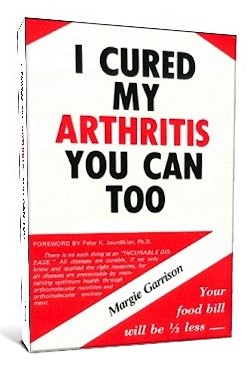
"After 43-Years of Suffering with Arthritis I Shocked My Doctors (Who Predicted I'd Soon Need A Wheelchair) When I Naturally Cured My Arthritis... Without Expensive Medication Or Surgery!" And I Know You Can Do The Same!
- Margie Garrison
VIBE is a blend of essential nutrients, powerful antioxidants, concentrated minerals and vitamins, and green tea extracts, ideal for combating free radicals that ravage our bodies every day.
The 7-Day Back Pain Cure
Free Book Reveals...
How You Can Get LASTING Relief...
And Finally Get Your Life Back!

Great Taste No Pain! reveals the 95 year old secret of some of the world's healthiest people. The author promises, what you read will begin to transform your health in less than 24 hrs!

The One Minute Cure
Take a look at the Video the Pharmaceutical Industry
Doesn't Want You to See"
Watch this life-changing video now before it's banned forever.
Rub On Relief
Contains 18 different botanical and organic ingredients combined synergistically to battle pain and inflammation…
Doesn’t cause “icy-hot” sensations or make you smell like a locker room…
Is 100% safe with none of the cardiovascular and gastrointestinal side effects common to prescription meds and NSAID’s…
And best of all… It’s clinically PROVEN to give you rapid, safe and effective pain relief… without side effects!

The Every Other Day Diet™
Jon Benson, Holly Rigsby, CPT and Daniel Topkis, M.S.
"The Every Other Day Diet combines the science and the do-ability to deliver outstanding results for everyone"
- Dr. Holly Lucille, author of Creating and Maintaining Balance

Lower Cholesterol Naturally and Eliminate Harmful Prescription Drugs.
By Consumer Health Advocate, Frank Mangano
Super Omega 9® Premium Cooking Oil is the gourmet "Queen of Cooking Oils" exquisitely blended for taste and health. It is loaded with stable omega fatty acids that contribute to good health, similar to olive oil, so prominent in the healthy Mediterranean diet, without the taste of olive oil. The fatty acids in this product promote heart health, support healthy cholesterol, and aid in improving lipid profiles, brain function, and hormonal balance.


Cure Your Restless Leg Syndrome Naturally, Anywhere Anytime With A 100% Success Rate--guaranteed.
Learn about Restless Leg Cure, the author and read the many testimonials of people that have used this method with great success.
Free Alternative Health Newsletter
"Amazing Secrets To Fantastic Health"
by: Margie Garrison "The Arthritis Lady"
Subscribe today and receive a Special Bonus Report
"12 Medical Breakthroughs"
You will be notified by email as each newsletter is released.