Natural Health Remedies
For Your Body and Mind

Margie Garrison
"The Arthritis Lady"
The information contained on this site is not presented by a medical practitioner and is for educational and informational purposes only.  The content is not intended to be a substitute for professional medical advice, diagnosis, or treatment.  Always seek the advice of your physician or other qualified health provider with any questions you may have regarding a medical condition.  Never disregard professional medical advice or delay in seeking it because of something you have read.


Copyright 2000-2010 Your Success Links.com Inc. All rights reserved.
Your Success Links.com, Inc. - 11424 - 115th Street N - Largo, FL 33778


Tell your friends about
Natural Health Remedies:
Add Natural Health Remedies
To Your Favorites
 

"Amazing Secrets To Fantastic Health"
Alternative Health Newsletter
The Real Way to Stop Eating Fast Food
By Tom Venuto NSCA-CPT, CSCS

“How could you eat that junk? It’s so bad for you!” (nag, nag).

“Don’t you know those fries will give you a heart attack?” (nag, nag).

“You have to stop eating all that fast food, it’s going to make you fat!” (nag nag).

“You have to eat more healthy food like fruits and vegetables - they’re good for you!” (nag, nag).

Your friends nag you, your family nags you, your doctor nags you, the health newsletters, websites and magazines - they all nag you, and of course, your personal trainer nags the heck out of you, to stop eating all those BAD FAST FOODS.

But does all that nagging you and bad-mouthing the fast food industry really help anyone stop?

It doesn’t look that way. The fast food industry is thriving, even in the bad economy. The Chicago Tribune recently said that McDonalds is “recession proof.”

As one of only two companies to turn a major profit over the last year (the other being Wal Mart), McDonald’s is laughing its way to the bank. In fact, McDonalds plans to open 1,000 new stores this year.

I was driving down Route 95 a few weeks ago and pulled over to use the rest room at Mcdonalds on a Saturday morning (there’s a McDonalds conveniently located immediately off almost every exit up and down the full length of Interstate 95).

The parking lot was full, it was standing-room only inside and the lines snaked around into the seating area! You’d think Brad and Angelina were there signing autographs or something. Nope. Just a regular weekend at breakfast-time.

I was shopping in Wal Mart the same week and I almost passed out when I saw (smelled, actually) a McDonalds... INSIDE THE WAL- MART! Also, with lines.

Yep. It looks like your friends and family’s nagging you to stop eating fast food, and all the messages of the health and fitness industry to get people eating more “health food” are not working!

So what does work?

The results of a new survey from the behavior and psychology section of the journal, OBESITY (Feb 2009) provide some answers:

Researchers at the University of Minnesota School of Public health surveyed 530 adults about their attitudes towards fast foods.

They found that people already know fast food is unhealthy. (like, no kidding!)

The primary reasons they eat it anyway are because of the perceived convenience and a dislike for cooking! (I’d add another: they think fast food is always cheaper than healthy food).

So, said the authors of this research paper, nagging people to eat more healthy food and warning them that “fast food is going to make us fat and kill us” is not the best approach.

What’s the right approach?

Focus on teaching people how to make healthy eating fast, convenient and easy, because those are the reasons people are choosing fast food in the first place.

So what’s holding us back from implementing or taking this advice?

Well, I think that most people can’t get over the ideas that they “just cant cook” or that cooking is “too time consuming” or that healthy food “tastes like dirt” (as if McDonalds is gourmet food!)

That said, I’m not going to nag you, scold you or try to scare you out of eating fast food. I’m not going to lecture you about health food (not today, anyway).

Nor am I going to bad-mouth the fast food restaurants.

I’m going to lead the new charge by showing you just how easy and convenient it is to eat healthy and nutritious food and make it delicous.

Here’s a few meal ideas (for starters) to prove my point.

--------------------------------
3-MINUTE APPLE CINNAMON OATMEAL
--------------------------------

(For a thorough write-up and cooking instructions you can check out the Free Preview section of the Inner Circle where I posted this yummy "Burn The Fat Recipe":

-----------------------------------------
10-MINUTE LAZY PERSON’S CHINESE STIR FRY
-----------------------------------------

* Brown rice (I like basmati)
* frozen oriental vegetables
* chicken breast, grilled (try foreman grill)
* bragg’s “liquid aminos” (or light/lo-sodium soy sauce)
This takes 30 minutes, however, if you get a rice cooker and make a giant batch, you can have your rice on standby for instant eats and this will take less than 10 minutes.

It doesn’t get much easier than that. (I like those chinese veggies that come with the little mini-corn-on-the-cobs… reminds me of that Tom Hanks Movie, BIG)

-------------------------------------
2-MINUTE BLACK BEANS AND SPICY SALSA
-------------------------------------

* black beans (15 oz can)
* Medium or hot salsa
* 1 tbsp extra virgin olive oil
* 2 cloves garlic or chopped garlic to taste
* salt and pepper to taste

This one takes you all of 2 minutes to make. No cooking required! And it’s good! It’s vegetarian as listed above, but if you’re a high-protein muscle-head like me, just add chicken breast or lean ground turkey.

Best part: this is all inexpensive food! Oats, rice, beans… doesn’t get much cheaper than that - buy your healthy staples in bulk and the cost per serving is probably less than mickey D’s! (yes, even the “Value” meals)

Every one of these recipes is compatible with my "Burn The Fat" program:

This means that my way of eating makes you more muscular and leaner… so you can look hot wearing very little clothes this summer... and be healthier... and save money too.
Back to Top
The Simple, Incontrovertible Fact is This: All Drugs are Dangerous; Foods and Supplements are Safe

"Drugs are approved by the FDA today, distributed, then found unsafe tomorrow and withdrawn, only to be replaced with new wonder drugs that are subsequently taken off the market as health hazards. If drugs were safe and effective, would we need the $1.5 billion of mindless, hard-sell advertising every month to goad us into taking them and giving them to our children?"

It does not get more blatant than this, yet millions continue to trust such governmental agencies. If one needs clear cut proof of brainwashing here it is again... Drugs, Not Foods, Are Toxic.

"Steps are necessary to ensure that the existence of dietary supplements on the market does not act as a disincentive for drug development." (FDA Task Force Report, June 15, 1993)

The Food and Drug Administration is again spending millions of tax dollars in its yearly attempt to increase drug sales by restricting the distribution of dietary supplements. These actions are contrary to the public interest.

FDA Commissioner David Kessler recently rationalized his efforts by alleging, "For every one of these products that has some value, there are thousands that are worthless." This is unsupportable. In fact, his charges are much more appropriate when applied to pharmaceutical drugs rather than to foods.

On 15 percent of the drugs on the market have been subjected to controlled testing, according to the United States Department of Technological Assessment. In fact, 85 percent of the drugs Americans take are unproven or have actually been proven ineffective!

Are these thousands of questionable drugs even safe? The prestigious Yale-New Haven hospital has published their conclusions that pharmaceuticals, properly prescribed and properly taken, account for 100,000 deaths each year in this country alone. Tens of millions more Americans are made sick or fail to seek appropriate health care every year because of chronic, ongoing drug use "taken as directed." One million are hospitalized annually solely as a result of reactions to prescriptions and over-the-counter medicines. The cost in dollars and human suffering staggers the imagination. But the FDA wants to limit peoples' access to food supplements.

These drug statistics are not acceptable. They represent an indictment of the FDA and the pharmaceutical industry. If an automobile driver had a safety record like this, responsible authorities would make certain that his license was revoked before sundown and would probably jail the culprit as well. But the FDA ignores the drug disaster and wants to restrict the distribution of food supplements.

So the cycle continues. Drugs are approved by the FDA today, distributed, then found unsafe tomorrow and withdrawn, only to be replaced with new wonder drugs that are subsequently taken off the market as health hazards. If drugs were safe and effective, would we need the $1.5 billion of mindless, hard-sell advertising every month to goad us into taking them and giving them to our children?

In contrast, with few exceptions and very little advertising, food supplements have enjoyed great safety and increasing demand for decades.
How safe are these food substances? Vitamin A is often pointed to as one of the more toxic dietary supplements. Yet according to the Merck manual, vitamin A has had no fatalities associated with its use of abuse. This includes accidental ingestion of millions at one sitting and weeks of megadosages given to infants.

The simple, incontrovertible fact is this: All drugs are dangerous; foods and supplements are safe. Anyone with a paper and pencil can quickly figure out for themselves that pharmaceuticals will sicken and kill more Americans in the next seven days than "health foods" have in the past 10 years. Drugs need to be controlled much more strictly and distributed more sparingly than they are now. Supplements should be regulated for sanitation like any other food.

Curtailing sales of dietary supplements will not protect the public. It will harm millions of intelligent, responsible people. However, pharmaceutical manufacturers and their distributors will enjoy windfall profits if these FDA propositions are allowed to become law. Whose interests are really being served by this legislation?

Every year the FDA and pharmaceutical industry misappropriate tax dollars to mount another offensive against America's health. Unchecked, eventually these unprincipled forces will prevail. The flood of drugs will continue to rise, destroying more of our parents and children. Congress must permanently stop this ongoing campaign which is subverting the enlightened efforts of Americans who want to improve their lives by reducing their dependence on medical drugs.

Jonathan B. Sevy, DC
Vancouver, Washington

Back to Top
Antacids and Children Just Don't Mix

** Personal note.  This was sent to me by one of my subscribers.

On a recent vacation I visited a family fair where rows of booths addressed various children's health issues. Imagine my surprise when I turned a corner and found one hawking lansoprazole (Prevacid), a high-powered acid-suppressant known as a proton-pump inhibitor (PPI), for pediatric gastroesophageal reflux (GER), also known as GERD in those with the disease. When I was young, a little Pepto Bismal was standard fare for all kids' tummy aches. It seems, however, that the pharmaceutical companies are upping the ante... and now, instead of soothing an irritated stomach, they are going to change the natural function of children's digestive systems. This seemed a perfect subject for this month's Digestion Connection discussion with Daily Health News contributing Editor Andrew L. Rubman, ND.

Not surprisingly, Dr. Rubman told me that acid suppressants (such as PPI drugs Prilosec and Prevacid) -- relieve heartburn by decreasing stomach acid production and antacids (such as Mylanta and Maalox) neutralize stomach acid. These drugs, he says, should rarely be taken by children, just as they should rarely be taken by adults. It's all marketing, hucksterism and salesmanship, now at the cost of even our children's health and well-being, warns Dr. Rubman. He adds that not only are these drugs often unnecessary, they are actually harmful to our health -- and our children's health. Truth be told, digestive difficulties are also likely to develop due to insufficient rather than excess stomach acid, says Dr. Rubman.

ACID SUPPRESSANTS AND CHILDREN

Acid suppressants like Prevacid suppress normal digestive function, explains Dr. Rubman. He points out that whenever you tinker with the natural processes of the body, you are asking for trouble. In this case, when you limit a child's ability to digest food by giving him/her acid suppressants, there are a number of negative consequences in the body...

Greater susceptibility to germs and disease. Not for digestion alone, germ-killing stomach acid is also part of the body's natural defense system against microbial invaders such as bacteria, viruses, yeast and mold, says Dr. Rubman. When you disarm this system, invaders are left free to colonize the stomach and digestive tract. The immune system counters with an inflammatory response, damage to stomach cells ensues, and the door is open to diseases such as gastritis, Crohn's disease and asthma, Dr. Rubman explained. When I pointed out to Dr. Rubman that some children actually take GER drugs for uncontrolled or poorly controlled asthma, he responded that they might be helpful in the short run, since asthma drugs can cause or worsen reflux -- but in the long run, drugs that reduce gastric acid negatively impact the body.

Bloating, gas, bad breath, rashes. A child taking antacids or acid suppressants can get away with eating greasy, fatty foods -- just the sort of foods you want him/her to avoid -- without getting a tummy ache. However, Dr. Rubman warns that this is not a free pass, and the body's digestive discomfort will manifest itself elsewhere, as in skin rashes or passing gas.

Suppressed liver function. When you suppress stomach acid, you also suppress liver function, cautions Dr. Rubman. This means that fat can no longer be as efficiently excreted with bile. Additionally, acid suppressants reduce the body's ability to thoroughly digest proteins, which reduces its ability to manufacture "the good cholesterol," HDL, says Dr. Rubman. Young developing bodies with developing hormones are especially vulnerable to damage due to suppressed liver function, he says. Additionally, suppressing the liver's ability to produce HDL can create a cholesterol problem that would not have existed without the acid suppressants, according to Dr. Rubman.

Increased risk of acid reflux "disease." Ironically, antacids and acid suppressants can contribute to the very problem they are supposedly designed to treat, says Dr. Rubman. When there is insufficient stomach acid, the stomach cannot properly break down food. This can lead to inadequate sterilization of food content allowing microbes present in the meal to survive and colonize the stomach lining. For example, food-borne H. pylori, a cause of chronic gastritis and an established cause of stomach cancer, can survive in an acid-suppressed stomach, says Dr. Rubman.

Note: In rare cases, as when children have ulcers, antacids may be taken on a short-term basis (no longer than 14 days), if not caused by bacteria, which would need to be treated separately.

A SAFE AND EFFECTIVE ALTERNATIVE

Fortunately, Dr. Rubman reminded me of the many safe and natural ways to address heartburn and other digestive disturbances in children...

  • Lose weight. Rather than addressing symptoms alone, it's vital to address their underlying cause, says Dr. Rubman. Obesity is a growing problem in children and more often than not, heartburn and GER are due to excess pounds from overeating.

  • Look at natural ways to control heartburn. Instead of turning to acid suppressants, try an antacid. Add a half teaspoon of pure baking soda to a glass of cold water, or give your child an Alka-Seltzer, which is simply modified baking soda (sodium bicarbonate) in tablet form with aspirin and citric acid. But remember, this should be done only on an empty stomach. Suppressing acid in the absence of ulcer only perpetuates the symptoms, says Dr. Rubman.

  • Chew food thoroughly. Chewing stimulates enzyme activity, and the more food is broken down in the mouth, the more readily the nutrients in the food are absorbed and utilized. As a parent, I know how hard it is to get your children to slow down while eating... just keep working on them.

  • Eat three meals a day. While popular thinking holds that small, frequent meals are less likely to cause indigestion, Dr. Rubman disagrees. With three reasonably-sized meals a day, stomach acid can efficiently dissolve food and extract nutrients when a child eats, and the stomach can rest between meals. This means watch the snacking as well if your child is having stomach upsets. If they really need a snack, as many children do, ripe fruit that is not citrus is their best bet because it tends to digest quickly in a compromised environment. Avoid this within an hour of bedtime.

  • Limit fluids with children's meals. Fluids dilute stomach acid, leaving more work for the stomach to do. Dr. Rubman advises that children cease drinking one-half hour before eating, and refrain from drinking for an hour afterward.

  • Monitor food combinations. It's unwise to combine foods that digest quickly (sugar, white flour products, white potatoes, etc.) with highly saturated fats (such as red meat or dairy), cautions Dr. Rubman.

  • Another good rule of thumb: No fruit with meals. Either eat the fruit one-half hour before the meal or wait at least an hour to an hour and a half after the meal to eat the fruit depending on the size and complexity of the meal. (See Daily Health News, September 4, 2006, for more detailed advice and explanations about food combinations from Dr. Rubman.)

  • Consider digestive enzymes or herbal remedies. When stomach acid levels are low, Dr. Rubman recommends digestive aids such as DuoZyme (Karuna) and Gastri-Gest (Priority One). These supplements stimulate hydrochloric acid release. Check with a trained professional regarding the proper dosage for your child's age and weight.

ACID SUPPRESSANTS ARE NO ANSWER

As usual, it's not nice to mess with Mother Nature. Acid suppressants that limit a child's natural ability to digest food are no answer to heartburn, indigestion or GER, says Dr. Rubman, especially since they impact the child's digestive function. Instead, take simple steps to support the body's natural ability to heal itself, keeping a closer eye on what your child eats and when, and making sure he/she chews thoroughly instead of gulping down meals. In no time at all, his tummy will be on the mend.

If therapeutic trials of digestive enzymes produce less than adequate outcomes, your doctor might want to consider tests that measure low stomach acid, such as a stool analysis or the Heidelberg gastrogram.

Back to Top


Natural Health Experts

Meet the experts and read eye-opening articles that will help you become and stay healthy.

Acid Reflux

Acupuncture

Alternative Medicine

Arthritis

Back Pain

Blood Pressure

Cancer

Dance & Movement Therapist

Feng Shui

Fitness

Heart Health

Headache

Holistic Health

Ingredient Safety

Nutrition

Self-Esteem

Resilience

Weight Loss

More To Come!!!

Biology Versus Chemistry - Why Health Will Never Come From The Laboratory

We are in the age of chemistry and physics.  The laws of biology are laid aside and chemistry is resorted to in order to solve problems of health.

The view is that chemistry will solve the problem by hitting upon some drug which will fulfill this hope that mankind has had since the beginning.

The body is not a chemical formula.  It is an organism.  In studying organisms biology lays down its first law:  That while plants can make use of inorganic elements and by means of solar energy build them up into its own substance, animal organisms have not this power and are depends for their sustenance on the plant kingdom.

Inorganic Materials Are Poisonous

So it is clear that every attempt to convert inorganic material into organic animal tissue must fail.  It becomes a foreign element in the animal organism and therefore a poison to it.

Laboratories are searching for impossibility.

We MUST understand that whatever materials we find in the human body and are being used for the welfare of the organism, must come from living organic matter.  The chemist is not trained to think in biological terms.  His dominant thought when dealing with the human body is not to consider the laws of biology and the need or the conditions to which the human body is subjected and which must conform to those biological laws, but to make a hit or miss putting together of certain chemicals with the object of producing a remedy, or, as the old superstition calls it, a “cure.” for disease.  And this in spite of the fact that the chemicals can never be assimilated or used by the human or animal organism.

I am of course referring to animal and human organisms.

When we conform to the laws of biology, the laws of life, we find the organism prospering.  Our observation of the needs of the human organism shows us that we need to breathe the air of certain cleanliness; we need liquids to replace these that have been utilized and expelled by our body.

Our food must be complete.  If we remove from it any element to which the organism has adapted itself and has become dependent upon for good functioning, it is easy to see that where we try to live upon deficient foods health must inevitable suffer, and that it is of very little use to try to find some way of swallowing the elements that have been extract by taking them in in-organic form.

Exercise is MANDATORY

Our body has developed and kept itself in a healthy condition by activity.  Eugene Sandow said, “Life is Movement”.

If we remain inactive for long periods the organism adapts itself to this inactivity, muscles atrophy and functions are weakened.

Observing Our Adaptations Solves All Health Conditions.

The sooner we admit this the sooner we shall solve the problem of health.  This means to give our bodies what they need to have a perfect immune system.

“No Answers To Disease Ever Come From a Laboratory.”

It is obvious that the biological method is the safe one to assure continuous good health.  We would be wise to stop wasting our energies trying to find some chemical, inorganic material, which can benefit the human organism. It is contrary to all Natural or scientific law.

The human race faces the need for adapting its environment to its biological needs.

The sooner we adapt to living foods the better we will be.  I know most of us cannot or will not be vegetarians.  However, Eating 75% of your diet raw, and of unprocessed foods and seed and nuts, and only 25% cooked foods, and have the proper liquid supplements, will go a long way to giving you much needed energy, stronger muscles, a lighter and happier frame of mind and will rebuild your poor hungry, mal-nourished cells so your Immune system can be healthy again.

Back to Top
More Drug Marketing Tricks
 
We now know that physicians, who see pharmaceutical drug reps more often, tend to prescribe, for example, antibiotics more frequently for common respiratory infections that don't really need an antibiotic...

 ...The drug companies spend a great deal on marketing and they don't do it without knowing why they're spending that money and they know exactly what they're doing. And they're very good at it....

Why should patients care?

Patients, when they sit with the doctor, want their doctor to be unbiased, to be completely objective, to base their decision based on their knowledge and their skill and their understanding of the science of drugs and when all of that is influenced in the background by this pharmaceutical drug information that the pharmaceutical drug reps have, and that the doctors don't have, that's of great concern."... 

This most informative interview on the CBC Disclosure: Targeting Doctors Program is yet again another behind the scenes pharma ploy to extract money from the medical system. Health concern of their customer is surely not a concern but only a pretense to get our confidence in the system. 

Next time you go to a pharmacy - demand that they not sell or hand out your prescription information to anyone.

Also if you are ever asked by your doctor to participate in trial, ask him what the drug company conducting the trial is paying him for you to participate in the trial. This conflict interest is often not disclosed to the trusting patients.  

Chris Gupta

Dr. Dick Zoutman is an infectious disease specialist at Kingston General Hospital. His biggest worry is the impact prescription profiles have on peoples' health. "Doctors don't realize that they're being influenced," he says. "We think we're immune. We think we're very powerful and we're immune but we're not."

Dr. Zoutman is about to publish his latest research. It shows how doctors influenced by drug reps are more likely to prescribe inappropriate drugs.

What was it that you saw that prompted you to look into this?

It was the fact that physicians' data was being compiled about individual practitioners in great detail that worried us.
 
Why?

I have been in practice now for some fifteen years and I was not aware it was happening. So it surprised me and we started asking some questions of the various companies who are collecting this data. We found this is a common practice, it's widespread, it's multinational in countries around the world - and that was a surprise to me. Most of my colleagues were unaware that it was happening either. 

Then we did some research and realized that the Canadian Medical Association was aware of this practice and in 1997 issued a policy statement about the issue of physician profiling and data prescription mining. 

How does it work? A doctor writes a prescription, the patient goes to the pharmacy. Then what happens?

There are several layers here. It appears that the information is entered into the computer by a pharmacist or a pharmacy technician. From there the information is removed and taken off either by another piece of software... It ends up in the hands of large data corporations who make it their job to profile the physicians by drug class and by geographical location, etc., to determine in great detail my prescribing behavior around all aspects of every prescription that I write. This isn't happening in hospitals, it's in the community retail pharmacy area where we're seeing this. 

Who is the biggest seller of this information?

There are at least two companies that we know of. We believe the largest company in Canada is an organization called IMS Health. That they are one of the biggest players in this. But we also know there are others.

What do they sell, IMS?

These companies are selling information about the physician's prescribing behavior in great detail back to drug companies. 

Why do the drug companies want the information?

One particular use of the information that concerns us is that it's used to profile physician prescribing exactly. That information is provided to pharmaceutical drug representatives who visit doctors. That information allows the pharmaceutical drug representatives to have detailed information about the prescribing behavior of the physician. 

Why do they want it?

They want it so that they can determine whether you are a high prescriber or a low prescriber for a particular targeted drug and then they ... talk to you about your prescribing habits, why you're using one drug versus another drug and so forth. 

The difficulty with this is that the vast majority of physicians don't know what's going on and are unaware that the pharmaceutical drug rep sitting in their office has a detailed profile. That information is hugely powerful to influence. If you're sitting there with the pharmaceutical drug rep in your office and you don't realize that they've got this information ... and not being able to see the information to critique it for its accuracy and its validity - you're at a severe disadvantage. 

We know that this prescriber information is very powerful as a way to, in a form, coerce physicians in a passive kind of way into changing their prescribing behavior. There's no doubt that physicians who are seeing pharmaceutical drug representatives are being influenced by what they're learning from the pharmaceutical drug representatives. 

Why does it have an impact?

I'm not able to look at my own prescribing dispassionately and say: 'Well, maybe I'm prescribing too much of this and not enough of the other. Maybe I'm too old fashioned or I'm picking up the new drugs too soon.' Because of that, my not having that [information], but the pharmaceutical drug rep is having it; I'm at a severe disadvantage. 

Why?

Because I'm not able to be on the same footing. They're sitting in the room having a great deal of information about me that I don't have. And that's able to influence me. They're able to do a direct strike, a very targeted intervention to try and convince me to use one drug or the other, provide you with information about their drug. That may not be information about other drugs and about the whole therapeutic issue that's being addressed. 

We've shown that in our local community here, that physician who see pharmaceutical drug reps more often, tend to prescribe, for example, antibiotics more frequently for common respiratory infections that don't really need an antibiotic.

And they also prescribe antibiotics that tend to be the newer more expensive varieties that we're all concerned about developing resistant bacteria too - we've shown locally here in Kingston area that that's an issue. And that's been shown over and over in other therapeutic areas. You know, cardiovascular drugs, cancer drugs; the impact of the pharmaceutical drug representatives is very powerful.

The drug companies spend a great deal on marketing and they don't do it without knowing why they're spending that money and they know exactly what they're doing. And they're very good at it.

The problem is, doctors don't realize that they're being influenced. We think we're immune. We think we're very powerful and we're immune but we're not. And that's something physicians have to realize, that we are influenced by it.

Why should patients care?

Patients, when they sit with the doctor, want their doctor to be unbiased, to be completely objective, to base their decision based on their knowledge and their skill and their understanding of the science of drugs and when all of that is influenced in the background by this pharmaceutical drug information that the pharmaceutical drug reps have, and that the doctors don't have, that's of great concern.

Don't doctors like visits from drug reps?

Some do, some don't. I don't have much time in my schedule to meet with pharmaceutical drug reps. We have formal committees in the hospital. I can't speak for my colleagues who are in community practice however. But we do know that the average number of doctors, the average number of visits is four pharmaceutical drug rep visits per month in the office. That's about one a week, on average. Some more, some less.

Overall, I do not believe that physicians are being informed adequately and sufficiently that this practice is going on, as I wrote in our article in the Canadian Medical Association Journal.

We think that's an important issue: that physicians really are not aware and physicians need to be made aware so that they can give informed consent. I believe physicians should consent to this data being profiled about their prescribing habits. I believe it's confidential information, and many other people believe it is as well.

A lot of doctors will say that they need the information that comes from the sales reps.

That's true. The sales reps can keep physicians up to date about new drugs, new drugs that are being released, new issues around adverse effects and proper use of drugs.

Pharmaceutical drug representatives have a code of ethics and they are people who are trying to do a good job for their company to sell their drug.

The concern that we have is the fact that physicians' data is being profiled without the physicians' consent up front - despite some mail outs that have gone on from several of these data collection companies, there's no opportunity for direct, positive informed consent. We believe that needs to be part of the process. Physicians need to be asked: Do you want to be profiled, yes or no? And if yes, fine. If not, then you have the option to have your name taken off the list.

Why do you think that doctors are so easily influenced this way?

I think all human beings are influenced. Why are there billboards along the highway? Why is television full of advertising? In many ways it pays the freight and we accept that in our society.

There's something unique though about the physician-patient relationship, there's something sacred and special about the level of trust. It has to be at the highest possible level for patients to feel they can really trust what their physicians are doing, their physicians are uninfluenced and biased, and unbiased, in their decision-making.

I think this prescription data is very important and very valuable information. It is not only influential to physicians, but can be used to inform and educate physicians to optimize drug use. But in order for that to happen, the information has to be provided back to physicians.

Has your research shown that it makes a difference in the way doctors prescribe - whether they've been visited or not?

We found that physicians who were visited by pharmaceutical drug reps were more likely to prescribe antibiotics for things where antibiotics weren't indicated and also to prescribe antibiotics that were more expensive and very broad spectrum.

What would be the difference in prescribing practice according to whether you had a visit from a drug rep?

The drugs that are prescribed tend to be the broader spectrum, newer antibiotics. We've also found that there's more likelihood, if you've been visited by pharmaceutical drug representatives, to be prescribing antibiotics when they're not even indicated - for things like coughs and colds and upper respiratory ailments that we see every winter.

The link to a visit by a sales rep - why do you think that happens?

The visit from the sales rep presumably has an impact on the physician's thinking about the merits of a new drug that may have a broader spectrum, therefore kills more bacteria, might be more effective and the concern that the patients may find the drug more acceptable. The drug may also be able to be taken less frequently. Once a day, twice a day dosing is easier, there's no question.

But those are all kinds of the issues and the physician is influenced because they've been told about the one drug - but not about all the others that are part of their choices. The marketing is aimed at the broader spectrum drugs.

Why?

Because that's where the money is.

So the doctors that get all these visits aren't prescribing the cheaper, older drugs?

We want doctors to be prescribing the most appropriate drugs for the condition. We do know from the literature - not from our own research but from the literature - that physicians who have contact with pharmaceutical drug reps are more likely to be prescribing the newer drugs.

Which are more expensive?

Which are invariably more expensive and that's been shown.

When Dr. Schumacher complained to the Privacy Commissioner, the Commissioner said that ultimately there is no invasion of privacy.

What did you think of that?

Well, I respected the review that the Privacy Commissioner did of the issue. I thought it was very thorough and had the same findings that we had. However, I don't agree with his conclusions. When the Privacy Commissioner described the value of a prescription to society, he described it as a product of our work. And therefore it's not confidential.

He compared us, the medical profession, in his report, to chefs and to roofers and to mechanics. And all deference to the important value of chefs, roofers and mechanics and the important work they do in our society, it's a very different relationship between me and a chef when I'm in a restaurant. If the chef cooks a meal that I don't like, I may not come back or I may not leave a tip.

But the relationship between a physician and a patient is very different. I'm able, when I'm dealing in a restaurant or with a roofer or a mechanic, to say what I want to do. I'm in a situation of fairly equal power. The physician-patient relationship is very lopsided towards the physician who has a great deal of power over the patient and that has to be acknowledged.

I'm most concerned, not so much entirely about just the confidentiality; I'm most concerned about how the data is used to influence physicians to prescribe one way or the other. That to me, I think, is the big issue around this prescription data mining issue.

We've talked to IMS and they say that the information they sell to drug companies does not have individual doctors' names on it - that it's aggregate information.

That's right. The information is aggregated by the amounts of drugs that are being prescribed. So it's aggregated by the drug classes and by the amount of drug. But within that aggregated database are physician identifying numbers so that it's not very difficult then to link it back to another database which they have of all the physicians names, addresses and the identification numbers. You link up by the identification numbers and you've got the physician-identified database that allows you to profile physicians precisely.

It starts off being aggregated by the amount of drug being prescribed. But if it can be de-aggregated directly to the physician, then the aggregation is more apparent than real.

How?

Because their data has a physician identifier number. You have a separate data set that has that identifying number linked directly to my name, for example.

How many pharmacists are involved?

I believe it's a fairly widespread practice. I certainly know that it's international across many countries… The information we have is that approximately 4,000 pharmacies across the country, which will include some of the chains, are participating in this program to supply information to the data miner, the prescription data mining companies.

Our research shows that the information is acquired at the pharmacy level. The Privacy Commission's report corroborates that information, that it is acquired at the pharmacy level. And from there it is used to produce reports.

IMS says they do this doctor profiling, but primarily the drug companies want this because it's a moral responsibility to know the prescribing trends of doctors. In other words, they're suggesting this is not about money; it's about health.

It's about money too. It's about influencing physicians. It's about affecting drug prescribing behavior. It's about using this information to subtly coerce physicians in an indirect kind of way by this information. It's been well studied that this information is very powerful information to convince physicians about prescribing one way or the other. So on that, I agree that the data is very powerful. But it's also about sales. It has to be.

How valuable do you think it would be to drug companies?

I think this information is of immense value. It allows them to direct their marketing activities. It also would be of immense value to physicians to be able to look at their prescribing activities, to optimize them. It has great value. Of that there's no doubt.

You're obviously concerned about this. But why aren't governments concerned about this?

I think the governments should be concerned. It's the health of patients is affected by the prescriptions that the doctors hand out. If the physicians are being influenced by this information unwittingly, then I think we should all be concerned.

Back to Top
A Natural Approach to Treatment and Prevention of this Common Allergy Condition
By Consumer Health Advocate, Frank Mangano

Hay fever, which is also known as allergic rhinitis, is a condition that usually does not involve hay and is actually not a fever. It is believed that the condition was termed hay fever because years ago, people would sneeze, have nasal congestion, and eye irritation while harvesting field hay. The truth is only a small percentage of the substances found in hay cause allergic rhinitis.

Symptoms of allergic rhinitis or hay fever include:

  • Nasal Congestion
  • Runny Nose
  • Sneezing
  • Itchy eyes & Nose
  • Tearing in the Eyes
  • Coughing (as a result of post nasal drip)
  • Loss of Taste & Smell
  • Nose bleeding (if the condition is severe)

These symptoms can often cause great discomfort in a person’s life and can lead to other diseases such as sinusitis and asthma.

For the most part, proteins cause allergic rhinitis. In most cases pollen, which is a small, light protein produced from plants & trees is responsible for the condition. Pollen is generally spread by the wind and can become lodged in the nasal lining tissues (mucus membranes) and other parts of the respiratory tract. At certain times of the year, as many as 10 percent of Americans suffer from allergic rhinitis. Allergies are a genetic trait which people are born with.

The pharmaceutical companies, which are part of a multi-billion dollar industry, have a ball during allergy seasons. Allergy seasons are the points in the year when pollen is in the air. Trees usually pollinate in the spring, while grasses pollinate in the spring and summer. Weeds usually pollinate in the late summer and fall.

During these times, the "Big Pharma’s" make "Big Money" off of antihistamines like diphenhydramine (Benadryl), chlorpheniramine (Chlortrimaton), clemastine fumarate (Tavist), dexbrompheniramine (Drixoral), loratadine (Claritin), fexofenadine (Allegra), cetirizine (Zyrtec), and azelastine (Astelin Nasal Spray).

These chemicals come fully equipped with a host of side effects including:

  • Sedation
  • Tiredness
  • Sleepiness
  • Dizziness
  • Disturbed Coordination
  • Low Blood Pressure
  • Palpitations
  • Increased Heart Rate
  • Confusion
  • Nervousness
  • Irritability
  • Blurred Vision
  • Double Vision
  • Tremors
  • Loss of Appetite
  • Nausea
  • Need I say anymore?

Rather than abusing your body while making the drug companies richer, try a natural approach to preventing and coping with your allergies.

First off, avoid the allergens that stimulate symptoms. Avoid dogs and cats if dander stimulates symptoms and be sure to eat plenty of fruits, vegetables, grains and raw nuts. Avoid tobacco and alcohol.

If your allergies begin to act up, try supplementing with the following:

  • Bromelain (1,000 mg 3 times a day) - Reduces inflammation associated with hay fever symptoms.

  • Coenzyme Q10 (30 mg twice a day)- Improves oxygenation and immunity.

  • Quercetin (400 mg twice a day) - Stabilizes the membranes of the cells that produce histamine, which triggers allergic response.

  • Vitamin B Complex (take as directed on label) - Ensures proper functioning of the immune system.

  • Vitamin C with Bioflavonoids (3,000 - 10,000 mg 3 times a day) - Natural anti-inflammatory.

  • Zinc (50 -80 mg daily) - Boosts immune function.

  • Garlic (take as directed on label) - Aids in relieving sinus inflammation, when used in liquid form.

  • Eucalyptus Oil (take as directed on label) - Relieves congestion when inhaled in steam form.

  • Eyebright and Yarrow liquid extracts (take as directed on label) - Relieve hay fever symptoms.

For another natural remedy for hay fever read: Natural Hayfever Remedies by Charlotte Sneddon.

Back to Top
Tinnitus (ringing of the ears)
By Dr. Bob Martin

Do you hear a ringing noise in your ears that doesn't go away? This maddening noise, called tinnitus, affects approximately 17% of the world's population. Many people are so seriously bothered by tinnitus that living a normal life is not possible. Tinnitus can interfere with concentration, work, sleep, relaxation, normal communication with others, and tinnitus can lead to psychological distress. There’s no known cure for tinnitus.

Tinnitus Symptoms

Imagine hearing a ringing noise in your ears or head that sometimes doesn't go away. This maddening noise, called tinnitus, can range in volume from a ring to a roar. Some people hear tinnitus as a buzzing, hissing, roaring, whistling, chirping or clicking instead of – or in addition to – ringing ear. Each person has a unique version of tinnitus. Tinnitus can be intermittent or constant ringing ear, with single or multiple tones and tinnitus’ perceived volume can range from subtle to shattering.

Most people today will experience tinnitus at some time in their life. You might notice tinnitus after being exposed to loud music or harsh noises. The noise exposure is over, but there's a tinnitus ringing in your ears. In America alone, as many as 50 million people today say their ears ring. About 12 million have tinnitus severe enough to seek medical attention, and 7 million people are so seriously bothered by tinnitus that living a normal life is not possible. Tinnitus symptoms can, in fact, interfere with concentration, work, sleep and relaxation, normal communication with others, and tinnitus can lead to psychological distress. Many tinnitus sufferers become markedly depressed because of the constant and bothersome noise.

See Your Doctor About Tinnitus

Since tinnitus might be a symptom of another health problem, see your doctor for any condition which may require his/her services. Your doctor may refer you to an ear, nose, and throat doctor. Another hearing professional, an audiologist, can measure your hearing. Caffeine, tobacco, alcohol, aspirin, antihistamines, and prescription or over-the-counter medications can aggravate existing tinnitus. Although there remains no cure, tinnitus symptoms can be overcome.

Homeopathic Remedies to Reduce Tinnitus
The Homeopathic Pharmacopeia of the United States states that there are no side effects for the following homeopathic remedies.  These Homeopathic remedies have demonstrated unsurpassed safety for nearly 200 years worldwide. 

  • Calcarea carbonica (Calcium carbonate) relieves throbbing and cracking noises, stitches and pulsing sensations in the ears.

  • Cimicifuga racemose (Black Cohosh Root) is helpful for tinnitus symptoms, and for people who are very sensitive to noise, as well as pain and muscle tension in the neck and back.

  • Carbo vegetabilis (vegetable charcoal) – This natural remedy is for ringing in the ears, especially if it occurs during flu or other conditions involving vertigo and nausea.

  • China (Chinchona officinalis) (Peruvian bark) helps ringing in the ears and hearing sensitive to noise.

  • Chininum sulphuricum (sulphite of quinine) helps relieve violent ringing, buzzing, and roaring sounds that are loud enough to impair a person’s hearing.

  • Coffea cruda (unroasted coffee) is for people with tinnitus accompanied by extremely sensitive hearing and a buzzing feeling in the back of the head.

  • Graphites (plumbago) – This remedy is beneficial for tinnitus with associated hearing loss, and for hissing and clicking sounds in the ears.

  • Kali carbonicum (Potassium carbonate) is for tinnitus with ringing or roaring, accompanied by cracking noises and itching in the ears.

  • Lycopodium (club moss) is for a humming and roaring in the ears, along with impairment of hearing and sounds that seem to echo in the ears.

  • Natrum salicylicum (sodium salicylate) – This remedy is beneficial if ringing in the ears is like a low, dull hum, and for loss of hearing related to bone conduction, as well as nerve interference. 

  • Salicylicum acidum (salicylic acid) – This remedy is indicated for tinnitus with very loud roaring or ringing sounds, which may be accompanied by some hearing loss.  It may also be helpful if tinnitus has been caused by too much aspirin.


Nutritional Supplements to Reduce Tinnitus

Specific nutrients can make a difference in tinnitus.  Dr. Michael Seidman, M.D., director of the Henry Ford Health System, Dept of Otolarynology, Tinnitus Clinic, in Bloomfield, Michigan says that tinnitus is sometimes caused by impaired blood flow to the ears, which can happen in two ways.  First, the tiny artery leading to the inner ear can get clogged with cholesterol, causing a kind of stroke in the ear, Dr. Seidman explains.  Second, loud noises can send this artery into spasm, reducing blood supply to the cochlea.  In either case, an interrupted blood supply can lead to hearing and tinnitus problems.  That’s where the antioxidant nutrients come in.  “Antioxidants work by helping to prevent oxygen-caused damage to cell membranes,” Dr. Seidman says.  Antioxidants also help keep arteries open and free of plaque buildup, experts say. Dr. Seidman and some other ear doctors suggest that you consider a smorgasbord of antioxidant nutrients. 

Some of the beneficial nutrients include:

Vinpocetine is a derivative of vincamine, an extract of the periwinkle plant, and has been used in Germany to provide support during tinnitus symptoms. 1  Vinpocetine improves blood flow in the inner ear and brain, thereby increasing utilization of glucose and oxygen, and increasing production of brain cell ATP (ATP is the cellular energy molecule - adenosine tri phosphate). 2, 3  Research shows that vinpocetine is particularly protective in cases where fatty plaques clog the arteries that feed oxygen to the inner ear and brain.  Vinpocetine have been widely researched and used for nutritional support for over 25 years for a variety of health benefits.  It has been shown to be a cerebral metabolic enhancer and a selective cerebral vasodilator. 5  Vinpocetine has also been shown to reduce the cell death that normally occurs when a brain region is temporarily but severely deprived of blood flow. 6  This remarkable alkaloid has proven specific benefits for people suffering ill hearing effects from antibiotics.  The antibiotics used typically for staph and strep infections are ototoxic (harmful to hearing).  Vinpocetine has been found to help prevent some of the antibiotics’ ototoxicity. 7  Vinpocetine reduces vascular resistance in the inner ear and brain, so that red blood cells are better able to pass through narrow passages.  Better blood flow equals better oxygen delivery.

Ginkgo Biloba is a powerful herbal extract with numerous health benefits.  Two studies have found an extract of ginkgo standardized to contain 24% flavone glycosides and 6% terpene lactones useful for people with ear concerns. 8, 9, 10  Ginkgo is a powerful herbal extract that may increase the circulation of blood to the ears.  Ginkgo has antioxidant activity, improves arterial blood flow and enhances cellular metabolism.  It is known for its age-defying properties which may support healthy hearing function.  Ginkgo biloba leaves have been used by the Chinese for centuries for health purposes.  Two studies demonstrated that Ginkgo is supportive for people with tinnitus concerns. 11, 12  Furthermore, a follow-up study of 137 of the original group of elderly patients 5 years later revealed that Ginkgo was still beneficial. 13 

Ipriflavone is a soy-derived isoflavone (bioflavonoid), but unlike other soy isoflavones, it has no estrogenic or other hormonal activity.  In one double-blind study with ipriflavone, researchers found that it was very beneficial for people with certain ear concerns. 14  Ipriflavone is a nutrient-partitioning agent, which means that it moves nutrients into building muscle and bone and away from being stored as fat.

Arginine is an amino acid that increases nitric oxide (NO), an important neurotransmitter.  A team of scientists made breakthrough discoveries regarding the effects of nitric oxide during the mid-1990’s and in 1998 they were awarded the Nobel Prize for Physiology of Medicine.  Arginine works by stimulating the release of nitric oxide which causes vasodilation (dilates blood vessels), improving blood flow, and it also protects the ear by scavenging free radicals. 15 , 16, 17

Alpha Lipoic Acid – Alpha lipoic acid has shown dramatic effects in providing support for hearing concerns by taking an antibiotic.  At the Hearing Research Laboratories at Duke University, in Durham, North Carolina, researchers investigated what positive effect lipoic acid could have on aminoglycoside (a class of antibiotics) induced damage to cochlear tissue of the ear. 18  Lipoic acid-protected animals did not have part of their hearing impaired compared with animals receiving the damaging antibiotic alone.  The researchers thought that lipoic acid was particularly well suited to protect the ear because it is widely distributed in both aqueous and lipid tissues after administration.  In addition, it crosses the blood-brain barrier quite readily, has low toxicity, and has excellent uptake in neural tissue. 19  Furthermore, lipoic acid is delivered to both the intra- and extra-cellular environment. 20  Given the positive safety profile of lipoic acid and the promise of a significant degree of auditory protection, it makes good sense to add lipoic acid to your supplement program.  

Zinc is involved in a wide array of functions, including helping to maintain healthy cell membranes and protecting cells from oxygen-related damage.  Some parts of the body have much higher concentrations of certain vitamins and minerals than other parts.  That’s the case with inner ear, which, like the retina of the eye, has a higher concentration of zinc.  That finding has led some doctors to believe that zinc deficiency may play a role in inner ear concerns.  21, 22, 23    “We don’t know much about how zinc works in the inner ear, but it’s evident that the cochlea needs zinc to function properly,” explains George E. Shambaugh, Jr., M.D. professor emeritus of otolaryngology and head and neck surgery at Northwestern University Medical School in Chicago.  “Animals fed a diet low in zinc partially lose hearing function, and apparently, even the kind of marginal zinc deficiency often seen in older people causes greater hearing concerns associated with ear damage from noise or aging.”  Dr. Shambaugh estimates that about 25% of the people he sees with severe tinnitus are zinc-deficient. 

Vitamin A – Like zinc, Vitamin A is found in high concentrations in the cochlea.  “All special sensory receptor cells, including the retina of the eye and the hair cells of the inner ear, depend upon Vitamin A and zinc to function properly,” Dr. Shambaugh says.  In one study, low blood levels of Vitamin A were associated with hearing concerns. 24  Animal studies have demonstrated degenerative changes in the ganglion cells on a Vitamin A-deficient diet.  And in several studies, people with tinnitus concerns reported substantial health benefits from Vitamin A supplements.

N-Acetylcysteine (NAC) – Some practitioners suggest taking N-acetyl cysteine because it is a major glutathione precursor.  Glutathione has antioxidant activity and may promote healthy hearing function, and is crucial in possibly protecting against free radical damage.

Magnesium has been found to be protective to hearing function from exposure to noise. 25  Low magnesium levels can cause blood vessels, including the tiny arteries going to the inner ears, to constrict, and when combined with noise exposure, can deplete the delicate hearing cells in the inner ear of it’s energy stores, leading to exhaustion, damage and death of these critical cells.  Noise-induced vasospasm (constriction of the arteries) is thought to play a role in tinnitus.

Melatonin – Researchers at the Ear Research Foundation in Sarasota, Florida performed a randomized, double-blind, placebo-controlled study evaluating the role of supplemental melatonin for people with tinnitus concerns.  They discovered that 47% of those on melatonin had an improvement compared to 20% of those on placebo. 26 

Chinese Herbs – For 5,000 years the Chinese have known that a balanced, harmonious body is necessary for optimal health and a zest for life.  Ancient Chinese physicians and temple priests studied nature over thousands of years discovering how to interact with it, and to cultivate and guide life’s sustaining force.  Their desire was to create harmony and order in the body, and to provide the body with the proper nutrition it needs to heal and regenerate itself.  Their wisdom taught that a balanced body suffers from fewer problems and sustains more energy and alertness.  They also discovered that supplementing the diet with natural herbal nutrition was one of the best means of nourishing the body so that an internal balance can be achieved.

Folic Acid is a B vitamin that is involved in every bodily function that requires cell division.  It is used to generate red blood cells, help wounds heal, build muscle, and produce brain and nervous system chemicals.  Folic acid appears to regulate the body’s production and use of homocysteine, an amino acid-like compound that in excess amounts can contribute to the buildup of dangerous plaque in the blood vessels.  A Dutch study has recently shown that by lowering blood levels of homocysteine and improving the ability of the blood vessels to dilate, folic acid may reduce cardiovascular risk in those with a family history of high cholesterol.  Because the body can’t retain this water-soluble vitamin for long – any excess is excreted in the urine – many people have a folic acid deficiency. 

Vitamin B-12 – Maintenance of blood and nerve function depends on this important vitamin.  According to a 1999 study, auditory dysfunction is associated with deficiencies in vitamins B-12 and folic acid, nutrients that promote healthy nerve function and circulation. 27  Another study has shown a definite connection between vitamin B-12 deficiency and hearing concerns. 28  A large study involving 522 patients showed that administering vitamin B-12 along with oxygenation at high pressure to people with hearing concerns, gave many people beneficial results. 29

Vitamin B-6 – Day by day, there’s probably no nutrient as actively involved in keeping your system running smoothly as vitamin B6.  It functions primarily as a coenzyme, working along with other enzymes to speed up chemical reactions in cells.  A deficiency of vitamin B6 can cause anemia, dermatitis, and nervous system problems.  Incredibly, government surveys indicate that one-third of adults are deficient in this key nutrient.  One of the causes of tinnitus may be nerve malfunction in the brain.  Because Vitamin B6 positively affects the nervous system, it may improve the health of the nerves leading to the inner ear and thus minimize the discomforts of tinnitus.  Vitamin B6 may be of use in treating chronic dizziness caused by a nerve disorder or decreased blood flow to the brain or inner ear. 

Niacin (Vitamin B3) helps increase blood flow by relaxing and widening the blood vessels.

Garlic – Probably more research has been done (and more articles written) about garlic than any other herb.  Worldwide, research is ongoing about the role that garlic may play in maintaining blood cholesterol, protecting against fatty plaques that clog the arteries, maintaining blood pressure, and stimulating the immune system.  Garlic thus provides support for hearing function.   

References:

  1. Weiss RF. Herbal Medicine. Gothenburg, Sweeden: Ab Arcanum and Beaconsfield, UK; Beaconsfield Publishers Ltd, 1988, 181. 
  2. E. Karpaty & L. Szpomy 1976 Arzneim forsch (drug research) 28, 1908-12.
  3. Szobor and M. Klein 1976 Arneim Forsch (drug research) 28, 1984-1989.
  4. B. Vamosi et al 1976 Arzneim Forsch (drug research) 28, 1980-84.
  5. F. Solti et al 1976 Arzneim Forsch (drug research) 28, 1945-47.
  6. D. Sauer et al 1988 Life Sci. 43, 1733-39.
  7. Nekrassov V, Sitges M. 2000 Jun 23, Brain Res 868 (2), 222-9.
  8. Meyer B. A multicenter, double-blind, drug versus placebo study of Ginkgo Biloba extract in the treatment of tinnitus.  Presse Med 1986; 5:1562-4 [in French].
  9. Meyer B. A multicenter randomized double-blind study of Ginkgo Biloba extract versus placebo in the treatment of tinnitus. In Rokan (Ginkgo biloba): Recent Results in Pharmacology and Clinic, ed. EW Funfgeld, New York: Springer-Verlag, 1988, 245-50.
  10. Holgers K, Axelsson A, Pringle I. Ginkgo biloba extract in the treatment of tinnitus. Audiol 1994;33:85-92.
  11. Abdulla S. Pills may replace ear-muffs for protection against damaging noise. Lancet 1998;351:1411.
  12. Coles R. Trial of an extract of Ginkgo biloba (EGB) for tinnitus and hearing loss. Clin Otolaryngol 1988;13:501-502.
  13. Meyer B. Tinnitus-multicenter study.  A multicenter study of the ear. Ann Otolaryngol Chir Cervicofac 103(3):185-8, 1986.
  14. Sziklai I, Komora V, Ribari O, Acta Chir Hung 1992-93;33(1-2):101-7.
  15. Ryan AF, Bennett T, Nitric oxide contributes to control of effusion in experimental otitis media, Laryngoscope 2001 Feb;111(2):301-5.
  16. Popa R, Anniko M, Takumin\da M, Otoprotectant minimizes hearing defects caused by Pseudomonas aeruginosa exotoxin A, Acta Otolaryngol 2000 Mar; 120(3):350-8. 
  17. Tabuchi K, Kusakari J, Ito Z, Takashashi K, Wada T, Hara A, Effect of nitric oxide synthase inhibitor on cochlear dysfunction induced by transient local anoxia, Acta Otolaryngol 1999 Mar, 119(2):179-84.
  18. Conlon BJ, et al., Hear Res 1999 Feb:128(1-2):40-44.
  19. Packer L, and Tritschler JH. Free Racid Biol Med 1996;20(4):625-626.
  20. Panigrahi M, et al., Brain Res 1996 Apr22;717(1-2):184-188.
  21. Ochi K, Ohashi T, Kinoshita H, Akagi M, Kikuchi H, Mitsui M, Kaneko T, Kato I, Nippon Jibiinkoka Gakkai Kaiho, The serum zinc level in patients with tinnitus and the effect of zinc treatment, 1997 Sep:100(9):915-9.
  22. Preliminary report (French). Acta Otorhinolaryngol Belg 41(3):498-505, 1987.
  23. Paaske PB, Kjems G, Pedersen CB, Sam ILK. Zinc in the management of tinnitus.  Placebo-controlled trial. Ann Otol Rhinol Laryngol 1991;100:647-9.
  24. Arch Otorhinolaryngol 234(2);167-73,1982.
  25. Attias J et al: Oral magnesium intake reduces permanent hearing loss induced by noise exposure. Am J Otolaryngol 15(1)26-32, 1994.
  26. Rosenberg SI, Silverstein H, Rowan PT, Olds MJ. Effect of melatonin on tinnitus. Laryngoscope 108(3):305-10, 1998.
  27. Houston, KD. 1999, Am J Clin Nutr 69, 564-71.
  28. Shemesh Z, Attias J, Oman M, et al. Vitamin B12 deficiency in patients with chronic tinnitus and noise-induced hearing loss. Am J Otolaryngol 1993; 13:94-9.
  29. Murakawa, T., et al., 2000, Nippon Jibinkoka Gakkai Kaiho, 103(5), 506-515.  

Back to Top
Gout Remedies... Beyond The Cherry

Most people thought that the best gout cure was cherries, but they were wrong! The newest research is revealing a better solution for your gout symptoms. Though cherries do work and have been researched thoroughly, a new natural health treatment can make you feel like gout is a thing of the past.
Let me explain.

A Natural Gout Cure - Cherries

For many years, those red delicious cherries we all love have been thought to help control and decrease gout symptoms. Over 50 years ago a doctor named Ludwig Blau stated announced a cure for one of the oldest diseases known to man, gout. Dr. Blau suggested that eating about 8 cherries a day would cure gout.

Though many thought Blau discovered the cure for gout; he was wrong. Currently there is no cure for gout. However, modern research studies have shown that Blau was correct with his cherry remedy. We now know that cherries contain anthocyanins which have anti-inflammatory properties that work in the same way NSAIDs do.

In other words, cherries work to reduce the inflammation that causes gout pain by reducing the uric acid that causes gout. And cherries are much better than NSAIDs because cherries cure the cause of gout. And NSAIDS only treat the symptoms (inflammation).

However, many gout sufferers have found that eating as many as 40 cherries isn't the most convenient remedy. And now researchers believe that cherries are not the only gout cure that works.

The Most Effective Treatment for Gout

Gout was once thought to be caused by an unhealthy diet and excessive alcohol. This was sort of true but there are many other causes as well. By looking at all the causes of gout, natural health doctors have been recommending a natural cure for gout that works nearly all the time.

If you would like to start taking your health more serious and cure gout naturally, here are 5 tips you should know about a natural cure for gout.

  1. Dieting! Most people who cure gout do it with a healthy diet! Some of our customers have lost up to 50 pounds of weight by knowing what foods their body needs to treat gout. You should keep a food journal and keep note of what foods cause high uric acid levels. Stay away from purine-rich foods like: red meats, alcohol, fish and beans.

  1. Vitamins! Did you know that most gout sufferers are deficient in 3 key vitamins that are essential for flushing uric acid? You should begin supplementing vitamins A, B5 and E which are in many fruits and vegetables. Many of our customers simply eat various fruits which contain these vitamins plus anthocyanins (flush uric acid).

  1. Flush! Are you flushing everyday? I'm not talking about the toilet but about your body! Did you know that you can literally flush your body of many impurities with water and a high fiber diet? Flushing benefits your body by keeping the bad stuff out, like uric acid. A Gout Remedy Report explains more about this.

  1. More Acids! Surprisingly, ascorbic acid is also very beneficial to flushing uric acid. Did you know that ascorbic acid is also another name for vitamin C? Vitamin C is also a simple natural remedy that has helped many gout sufferers.

  1. Natural Remedies! By using an assortment of simple natural remedies like cherries, baking soda, or common herbs, you may never have to deal with another gout attack again. Our Gout Cure Treatment suggests the top seven natural remedies for gout.

You're 2 Hours Away from a Natural Cure

Are you tired of dealing with the pain? Are you tired of paying for over-priced pain killers that do nothing for flushing uric acid levels? Do you want a guaranteed treatment?

If you would like the only 100% satisfaction guarantee on a simple gout cure, please visit our website today. We will provide you with a step by step method of how to cure gout symptoms in hours. For the best research, simplest, most effective remedy, visit us today!


Back to Top
Olive Oil Ingredient may Improve Circulation
By Anne Harding

Certain micronutrients contained in olive oil and other foods could be responsible for the Mediterranean diet's well known heart-healthy effects, Spanish researchers report.

These compounds, known as phenols, have been shown in laboratory studies to have antioxidant, anti-inflammatory and blood clot preventing powers, Dr. Francisco Perez Jimenez of the Hospital Universitario Reina Sofia in Cordoba and colleagues write. Their study is the first to show a benefit for phenol-rich olive oils on blood vessel function.

"The intake of food high in phenols compounds could improve cardiovascular health and protect the heart," Jimenez told Reuters Health. "An example of these foods is virgin or extra virgin olive oil."

Jimenez and his team compared the effect of consuming phenol-rich olive oil or olive oil with most of its phenol content removed in a group of 21 volunteers with high cholesterol.

The researchers measured the ability of the study participants' blood vessels to respond to rapid changes in blood flow after they had consumed a relatively high-fat meal containing either type of olive oil. Blood vessels have been shown to function poorly after a high-fat meal.

Blood vessel response and function was improved for the first four hours after the high-phenol olive oil meal, the researchers found, but there was no difference in blood vessel function before and after volunteers ate the low-phenol olive oil meal.

The researchers also found increased levels of the blood vessel dilating molecule nitric oxide and reduced levels of oxidative stress after consumption of the high-phenol meal.

Consumers should reach for olive oils labeled "virgin" or "extra virgin," which have the highest phenol content, Jimenez said.

He and his colleagues suggest that phenols' antioxidant effects, as well as their ability to help the body use nitric oxide more effectively, could be responsible for their effects.

SOURCE: Journal of the American College of Cardiology.

The researchers also found increased levels of the blood vessel dilating molecule nitric oxide and reduced levels of oxidative stress after consumption of the high-phenol meal."...

Further to: Vitamins C & E For Reversal of Severe Atherosclerosis, this is a very accessible and cost effective alternative. Suggest one buy unrefined Olive oil, available at most middle eastern stores.

- Chris Gupta

Back to Top
Osteoporosis - Some Do's and Don't's Regarding Bone Loss
By Margie Garrison

Osteoporosis is affecting millions, men and women. 
 
Some factors that Increase bone loss are:

  1. Lack of weigh-bearing exercise.

  1. Not enough vitamin D.  This also contributes to breast, prostate, colon cancer and chronic muscle aches and pains.  Over 1/2 the females and 1/3 the males in the USA have a deficiency in vitamin D.  Lack of sunshine and the inability to properly digest fats, all contribute to this problem.   Get into the sun for at least 2 or 3 times weekly for at least 15 or 20 minutes each.  More if you can.  People with RA suffer more and have their worst bouts in the winter if they live in the north, due to the lack of sunshine.

  1. The increase use of carbonated cola drinks is associated with an increase in bone fractures and osteoporosis. (J. Adolescent Health 94;15;210-215)  A 12 oz cola has about 36 milligrams of phosphoric acid.  This acid interferes with the metabolism of calcium.  It also binds and removes certain minerals from your body.  For every 36 milligrams of phosphoric acid extracts 36 milligrams magnesium.  And you definitely need magnesium.  Especially if you are over 55.

  1. Drinking more than 2 cups of coffee or 5 cups of tea will leach calcium from your bones.  If you exceed these amounts, make sure you're taking additional calcium through supplement.  (Am, J, Clin. Nutr. Oct 94;573-578)

  1. Lack of fresh foods in your diet.  Eat at least 75% of your daily food raw.   After a month of this you will be writing me about how well you feel.  If you suffer from constipation you will be whooping with joy.

Back to Top


AsSeenOnTv.com
Request your Free Back Pain Relief guide
Click Here
Request your Free Sciatica Gone in Just Days guide
Click Here
Request your Free Herniated Disc Healing Miracles guide
Click Here
Designed to optimize the health of digestive & intestinal environments.

Learn More
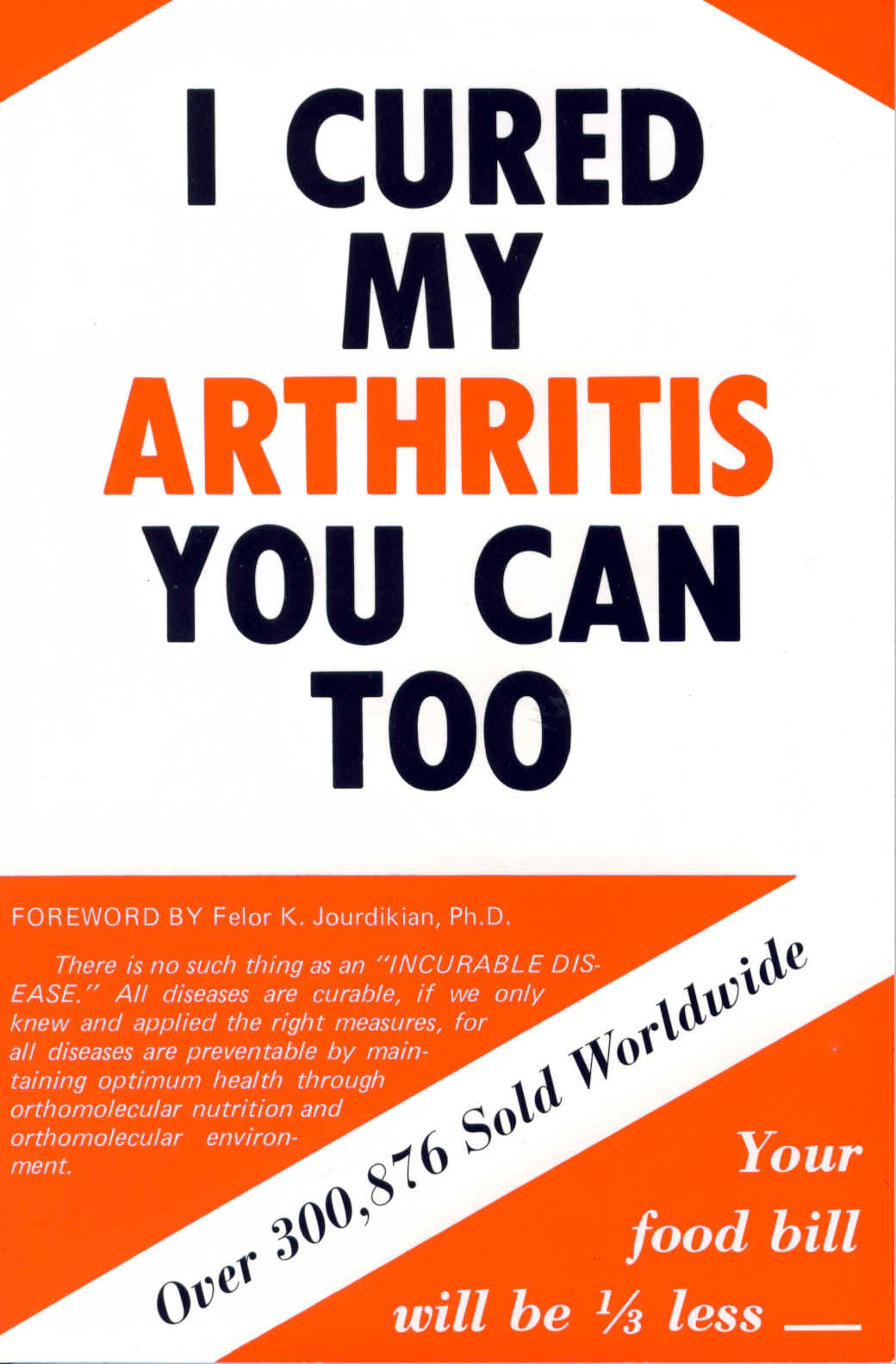
"After 43-Years of Suffering with Arthritis I Shocked My Doctors (Who Predicted I'd Soon Need A Wheelchair) When I Naturally Cured My Arthritis... Without Expensive Medication Or Surgery!" And I Know You Can Do The Same!
- Margie Garrison

Learn More
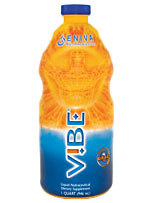
VIBE is a blend of essential nutrients, powerful antioxidants, concentrated minerals and vitamins, and green tea extracts, ideal for combating free radicals that ravage our bodies every day.

Learn More
The 7-Day Back Pain Cure
Free Book Reveals...
How You Can Get LASTING Relief...
And Finally Get Your Life Back!

Get your FREE copy now
Great Taste No Pain! reveals the 95 year old secret of some of the world's healthiest people.  The author promises, what you read will begin to transform your health in less than 24 hrs!

Learn More
The One Minute Cure

Take a look at the Video the Pharmaceutical Industry
Doesn't Want You to See"

Click Here Now 
Watch this life-changing video now before it's banned forever.
Rub On Relief

Contains 18 different botanical and organic ingredients combined synergistically to battle pain and inflammation…

Doesn’t cause “icy-hot” sensations or make you smell like a locker room…

Is 100% safe with none of the cardiovascular and gastrointestinal side effects common to prescription meds and NSAID’s…

And best of all…  It’s clinically PROVEN to give you rapid, safe and effective pain relief… without side effects!

Learn More
The Every Other Day Diet™
Jon Benson, Holly Rigsby, CPT and Daniel Topkis, M.S.

"The Every Other Day Diet combines the science and the do-ability to deliver outstanding results for everyone"

- Dr. Holly Lucille, author of Creating and Maintaining Balance

Learn More
Lower Cholesterol Naturally and Eliminate Harmful Prescription Drugs.
By Consumer Health Advocate, Frank Mangano

Click Here

Super Omega 9® Premium Cooking Oil is the gourmet "Queen of Cooking Oils" exquisitely blended for taste and health. It is loaded with stable omega fatty acids that contribute to good health, similar to olive oil, so prominent in the healthy Mediterranean diet, without the taste of olive oil. The fatty acids in this product promote heart health, support healthy cholesterol, and aid in improving lipid profiles, brain function, and hormonal balance.

Learn More
Cure Your Restless Leg Syndrome Naturally, Anywhere Anytime With A 100% Success Rate--guaranteed.

Learn about Restless Leg Cure, the author and read the many testimonials of people that have used this method with great success.

Learn More
Free Alternative Health Newsletter

"Amazing Secrets To Fantastic Health"
by: Margie Garrison "The Arthritis Lady"

Subscribe today and receive a Special Bonus Report 
"12 Medical Breakthroughs"

You will be notified by email as each newsletter is released.