Natural Health Remedies
For Your Body and Mind

Margie Garrison
"The Arthritis Lady"
Tell your friends about
Natural Health Remedies:
Add Natural Health Remedies
To Your Favorites
The information contained on this site is not presented by a medical practitioner and is for educational and informational purposes only.  The content is not intended to be a substitute for professional medical advice, diagnosis, or treatment.  Always seek the advice of your physician or other qualified health provider with any questions you may have regarding a medical condition.  Never disregard professional medical advice or delay in seeking it because of something you have read.


"Amazing Secrets To Fantastic Health"
Alternative Health Newsletter
Copyright 2000-2010 Your Success Links.com Inc. All rights reserved.
Your Success Links.com, Inc. - 11424 - 115th Street N - Largo, FL 33778


Disease is a War Upon The Human Organism - What is a Health profile?

The Health Profile, actually it should be called "Disease Profile.

A health profile is based on taking into account every conceivable factor relating to the individual.  Factors such as age, sex, serum lipids, blood pressure, weight, blood glucose, uric acid, diet, tobacco consumption, physical activity, family history, electrocardiograph, etc.

At the end of all this the computer is supposed to recognize what disease are in the incubation period and this information will enable physicians to lay an ambush for these unsuspecting diseases when they start their attack upon their intended victim.  And, clearly implied, if a proneness to a disease is seen, a knockout blow can be delivered in advance!

If all diseases are headed off thusly, ergo, we will have health and live a disease-free life to the extent of the human potential!

Is It Science or Folly?

Such sheer idiocy is passed off as sophisticated science in today's "health" movement.

Anyone who is familiar with today's health statistics can safely predict these diseases.

Cardiovascular disease will affect 99% of the Americans and 54% will die from them.

Cancer will affect nearly 50% of us in some form and about 18% will die of cancer.

Nearly 100% of Americans will have colds and 94% will have one or more during the coming year!

The whole concept of "predictive medicine" is incorrect.  It takes for granted that disease is something that has to be fought and prevented.

Natural Hygiene the Only Way To Health

Natural hygiene takes just this opposite stance: Disease is not normal to the human organism except in abnormal circumstances.  Health is the normal state of ALL life.

All we need to do to realize this natural condition is to supply our organisms with their material and environmental requisites and to avoid those factors that are injurious to well being.

Disease neither has to be fought nor prevented.  If we meet our simple life requirements it just won't happen!  The uncomplicated task of maintaining health is all the disease prevention we need.

And how many of us respond with "How is a person to know just what life's requirements are and what we're to avoid?

The whole thrust of the message of Natural Hygiene is simply this:  Live in accord with the human biological heritage.  This means assuring ourselves adequately of pure air, pure water, wholesome food in its natural state. uncooked, unprocessed, unpreserved or in any other way tampered with…sunshine, sleep, body warmth, cleanliness (internal as well as external), exercise, rest and relaxation, security of life and its means, pleasing environment, creative useful work and some other factors, notably the ability of self-mastery.

What must we avoid?

The list of evils are, over-indulgence of any factor essential to life or a deficiency of it or indulging that which is downright injurious, poisonous and unwholesome to the human body..

The very concept of medicine we simply and amply prove is a myth - a figment of man's misconceptions and misinterpretations of natural phenomena.  There is no such thing as medicine as a healing agent.  ALL healing powers are inherent in the organism and the organism needs only favorable conditions to assert its restorative powers if, through negligence or indulgence, disease is caused.

The implication that practitioners of "predictive medicine" can stop or reverse incipient pathology is just as erroneous as the concept of medicine. Just as pathology begins and becomes pronounced by the indulgence of pathology-generating living practices, it can be stopped or reversed ONLY by the body ONLY if the causes are discontinued and the conditions for health instituted. 

"Disease is Certain If Its Causes Are Indulged"

Certainly, when the whole populace indulges disease-generating practices wholesale in America, we can predict that almost everyone is going to get sick and diseased.  Predictably we'll have colds, bad teeth, cardiovascular problems which almost every American past the age of four already has and the sum total of these pathologies will end in death from heart or vascular troubles or cancer.

Predicting that which currently happens when people continue to indulge the cause of what is happening takes no gifted seer.

The danger of the concept of medicine is that we regard ourselves as we do a car.  It builds false confidence.  It matters not what happens to us - we'll get fixed up with drugs.

This is totally wrong for us. Our body is a self-repairing entity and all strikes against it from bad living become cumulative until we strike out in the game of life. And die.

Disease is self-caused and likewise, if we're to have health, we MUST build it ourselves!!

If we were animals in nature with only the wisdom of our instincts, we'd indulge our natural requirements and reject all injurious forces.  Each animal species eats what is best for them. They are smarter than we are.

As humans we'll do well to learn just those simple requirements, indulge them and ignore all the idiotic trivia handed down to us by the medical and misguided health propagandists.


Back to Top


Should You Seek Relief From Your Ailments?

Medicine, I have frequently reminded my readers, is a system of spectacular palliation.  Physicians prescribe and surgeon cut with not the slightest idea of cause in their minds.

If a physician advises an aspirin for a headache, he does it with the idea the he is providing temporary palliation (relief) of a symptom.  And not with any idea that aspirin will have the slightest effect in removing or correcting the cause of the headache.

When a surgeon removes an affected organ, he does not even pretend that this removes the cause of the affection.

He removes Causes, Not Effects

Now it will be readily granted that if the head is removed from one who suffers with chronic headaches, he or she will have no more headaches, but it is not granted that removing the head removes the cause of the headache...

If a toe is cut off there can never be another corn on that toe, but the removal of the toe is not the removal of the cause of corns and there is every likelihood that corns will develop on other toes.

There is no recovery where cause is not removed.

He, who putters with palliatives, treats effects and ignores causes, is a pretender, a charlatan.

The man who cuts out affected parts and organs and permits cause to continue until it destroys the patient is a criminal.  Any fool can take an aspirin for a headache, but it requires intelligence to ferret out the cause of the headache and remove it.

Any person can trim a corn, it requires more intelligence than most people seem to use to get a properly fitting shoe.  The land is overflowing with people who take antacids after every meal, but few try to find and remove the cause of their almost perpetual gastric distress.  How few correct their mode of eating so that they may enjoy gastric comfort.

PAIN is a Messenger To Be Heeded

Drugs and manipulations, heat and cold, electricity and super-sound, prayer and psychological soothing syrups may be a reliever for a time, but there must inevitably come a time when these fail.

What a depressing prospect lies before the sick who devote most of their time to palliating and suppressing their symptoms!  They finally end within the ever-narrowing confines of the vicious circle of symptoms grown to complexity from very simple beginnings.

When a drug is taken to silence pain, (and that is all it can do) we but defy the warnings of nature.  Instead of obeying the admonition that is "pain", we ignore the messenger and pretend that no warning has been given.

To remove an organ and ignore the cause of its impairment is to fly in the face of nature.

There is but one genuine road back to good health and this is a radical about face in the way of life.  If disease is the result of gluttony, there is no restoration of health until the overeating is given up.

If tobacco is the cause of suffering, nothing short of giving up tobacco will enable the body to return to a state of health.

If alcohol is the cause of discomfort, only sobriety will enable the sufferer to evolve into a state of good health.

Whatever the habit or habits responsible for the impairment of health, these must be discontinued and their places taken by constructive habits of life.

A mode of care that seeks merely to palliate or reliever symptoms does not make sense, just as taking the proper liquid supplements for a week or two and expecting to have good health does not make sense.

You cannot undo bad health that has been building for years in just weeks.  You must make it a major issue in your everyday life.  Do not be the person who continues to do the same thing and who now expects different results.  He or she is fooling themselves.  To get different results you have to start doing different things.  Change some habits.  And in so doing change to Vibrant Health.

Medical "Science" A Fraud Upon Mankind"

A woman writes that she developed a stone in one of her kidneys.  The stone was removed.  The wound healed.  She was "Cured".  A few months passed and she developed another stone, in the same kidney.  This time the kidney was removed.

Certainly she was now "cured"!  Her organ had been removed and her stone with it.   How could she ever be sick again!  Was she not now sounder that sound?

Nope. The most approved medical and surgical measures provide only a little temporary palliation.  But a few months passed and she developed a stone in the other kidney.  Now what to do?  Removing the last kidney is speedy death.  Even to remove the stone is to endanger life.  If it is not removed, it may ultimately block the kidney and this kills.

Medical science is at the end of its rope.  Of course now we have dialysis machines and transplants, which though they may prolong life somewhat, succeed only in producing physiological cripples, since they remove no causes of kidney impairment.

Either remove causes of pathology or continue to suffer its effects.

What was wrong with the treatment she received?  It was all wrong.  There was nothing about it that was right.  Like all medical and surgical care it was a removal of EFFECTS: cause was ignored.  Pathological products, in this case, stones, and affected organs were removed instead of cause.

Cause continuing to exist continued to produce effects.  She could have been put on a truly healthy diet and gotten rid of them that way.

It is ever so.  A gallbladder full of stones is removed and more stones form in the liver or in the gall ducts.

A breast is removed because of a tumor and a tumor forms in the other breast.

A cancer is removed and cancer evolves elsewhere.  Recently a young man had a cancer removed from his foot, the leg was amputated.  In a very short time he was dead of cancer of the lungs.

All that was done in his case was to amputate his leg and send him home to the same modes of life and plan of eating that he had pursued before evolving cancer.

Cut and drug and talk learnedly about germs and viruses and ignore the mode of life and its cumulative effects may be good science but it is not good advice.

The medical profession will never learn the necessity to remove cause.  How much longer will it take the much abused and long-suffering public to learn that the first and most essential requisites of the restoration of good health are removal of all causes responsible for its impairment?

As the medical industry has no vested interest in disease and suffering and have nothing to gain by perpetuating it, they should be willing to at least consider a way of life that builds and maintains good health.


Back to Top
Pesticides: a Grave Oversight

"These substances kill living things and are released directly into the environment. The public is concerned about pesticide safety."...

Everybody knows, except the government, that pesticides are poisonous. It does not take a rocket scientist to figure out that poisons need to be assessed before they can be used willy-nilly. If something has not yet been tested should it not be prudent, not to use it till such time that it has been assessed for safety? Given that every time pesticides are tested they are either further restricted or outright banned, so why the resistance to ban untested chemicals on our lawns?

..."Every pesticide that has been re-evaluated has either had its legal uses further restricted or has been pulled off the shelves because it has been found to pose unacceptable risks."...

Our government continues to blatantly abuse their mandate and have shamelessly, in broad daylight no less, joined the industry cartels for profit at any cost! Knowing all to well that most of us have no time or money to challenge them...

Not only are our tax dollars are being wasted but we have to spend our hard earned, after tax, money and time to take these scoundrels to court, just do their job - what a scam.

Vested interests need centralization, as it provides single point of control. If you think the pressure for Globalization, with all its regulations such as WTO and Codex is just for fun then think again.

Chris Gupta

."Does our food contain harmful pesticide residues? If so, what are the long-term health effects? What are the health hazards of using pesticides on lawns? What are the impacts on fish, birds, pets -- and children?

...Every pesticide that has been re-evaluated has either had its legal uses further restricted or has been pulled off the shelves because it has been found to pose unacceptable risks...

...I'm also troubled by the heavy and repeated use of temporary registrations. My audit found instances of temporary registrations issued despite lack of information on impacts on children's central nervous systems. More than half of all recent registrations are temporary. Worse, they're frequently renewed; some have been extended five times."...

Across the country, Canadians are passionately debating whether or not to ban pesticides that keep lawns weed-free. The federal government committed itself to re-evaluating eight lawn pesticides by 2001. Last March, when my audit of federal pesticide management was completed, five of those eight re-evaluations were still underway.

On a personal note.  When my children were small and played on our large lawn, I did not have the money to put pesticides on our lawn.  Now I am grateful for that fact.  Especially since my second son, Michael liked to eat grass…

Pesticides help produce and preserve the food we eat. We use them in forests, gardens and on lawns, to control parasites on pets, and combat the spread of diseases such as West Nile virus. But there are risks: These substances kill living things and are released directly into the environment. The public is concerned about pesticide safety. After my audit, so am I.

Does our food contain harmful pesticide residues? If so, what are the long-term health effects? What are the health hazards of using pesticides on lawns? What are the impacts on fish, birds, pets -- and children?

The public is asking the right questions. But from top to bottom in the federal government, I found significant problems. Many pesticides were registered for legal use decades ago when health and environment standards were lower. They're now being re-evaluated to see if they meet current standards -- but the work is not well-managed and is going too slowly.

In 1999, the federal government said it would re-evaluate 405 active ingredients approved for use in Canadian pesticides by 2006. Since then only six active ingredients have been fully re-evaluated. (A handful of others are being pulled from the market by the manufacturers.) My audit found that the PMRA has not spent enough on its re-evaluation program. It does not deal first with the highest-risk pesticides that are most widely used in Canada. If an old pesticide is found to be unsafe, the PMRA has no rule on how quickly it should be taken off the market.

The PMRA must also evaluate more than 3,000 new pesticide applications each year. In many cases, it is not meeting its own timelines for approving new, possibly safer pesticides -- so farmers and other users spray with older products, with potential health risks.

I'm also troubled by the heavy and repeated use of temporary registrations. My audit found instances of temporary registrations issued despite lack of information on impacts on children's central nervous systems. More than half of all recent registrations are temporary. Worse, they're frequently renewed; some have been extended five times.

The PMRA acts on limited and unreliable information about actual pesticide use and impacts in the real world; its assessments are built on a foundation of assumptions. One is that users comply with label directions. This is unrealistic. The PMRA recently collected soil samples from 20 Ontario onion growers; testing for pesticide residue, it found that 18 of the farmers weren't following the rules set out to protect health and the environment.

Overall, my audit has found a large gap between the federal government's promises and its performance in managing pesticides. This is the fourth audit of federal pesticide management in 15 years. The federal government has long known about many of these problems.

Do we have the same problems in the United States?  Yes.

Our government is responding in the same way.  This is why more and more people are turning to organic foods.

What do you do when you cannot afford or even find a source of true organic food?   The answer is to be more careful of the handling of our foods.

Wash all produce several times and let water run over it a few minutes.   That is something we can all do.

Write to you Congressman and woman and Senators and at least express your feelings


Back to Top
Natural Health Experts

Meet the experts and read eye-opening articles that will help you become and stay healthy.

Acid Reflux

Acupuncture

Alternative Medicine

Arthritis

Back Pain

Blood Pressure

Cancer

Dance & Movement Therapist

Feng Shui

Fitness

Heart Health

Headache

Holistic Health

Ingredient Safety

Nutrition

Self-Esteem

Resilience

Weight Loss

More To Come!!!


"The simple, incontrovertible fact is this: All drugs are dangerous; foods and supplements are safe. Anyone with a paper and pencil can quickly figure out for themselves that pharmaceuticals will sicken and kill more Americans in the next seven days than "health foods" have in the past 10 years."

"Drugs are approved by the FDA today, distributed, then found unsafe tomorrow and withdrawn, only to be replaced with new wonder drugs that are subsequently taken off the market as health hazards. If drugs were safe and effective, would we need the $1.5 billion of mindless, hard-sell advertising every month to goad us into taking them and giving them to our children?"

It does not get more blatant than this, yet millions continue to trust such governmental agencies. If one needs clear cut proof of brainwashing here it is again...

Chris Gupta
-----------------------------

Drugs, Not Foods, Are Toxic

"Steps are necessary to ensure that the existence of dietary supplements on the market does not act as a disincentive for drug development." (FDA Task Force Report, June 15, 1993)

The Food and Drug Administration is again spending millions of tax dollars in its yearly attempt to increase drug sales by restricting the distribution of dietary supplements. These actions are contrary to the public interest.

FDA Commissioner David Kessler recently rationalized his efforts by alleging, "For every one of these products that has some value, there are thousands that are worthless." This is unsupportable. In fact, his charges are much more appropriate when applied to pharmaceutical drugs rather than to foods.

On 15 percent of the drugs on the market have been subjected to controlled testing, according to the United States Department of Technological Assessment. In fact, 85 percent of the drugs Americans take are unproven or have actually been proven ineffective!

Are these thousands of questionable drugs even safe? The prestigious Yale-New Haven hospital has published their conclusions that pharmaceuticals, properly prescribed and properly taken, account for 100,000 deaths each year in this country alone. Tens of millions more Americans are made sick or fail to seek appropriate health care every year because of chronic, ongoing drug use "taken as directed." One million are hospitalized annually solely as a result of reactions to prescriptions and over-the-counter medicines. The cost in dollars and human suffering staggers the imagination. But the FDA wants to limit peoples' access to food supplements.

These drug statistics are not acceptable. They represent an indictment of the FDA and the pharmaceutical industry. If an automobile driver had a safety record like this, responsible authorities would make certain that his license was revoked before sundown and would probably jail the culprit as well. But the FDA ignores the drug disaster and wants to restrict the distribution of food supplements.

So the cycle continues. Drugs are approved by the FDA today, distributed, then found unsafe tomorrow and withdrawn, only to be replaced with new wonder drugs that are subsequently taken off the market as health hazards. If drugs were safe and effective, would we need the $1.5 billion of mindless, hard-sell advertising every month to goad us into taking them and giving them to our children?

In contrast, with few exceptions and very little advertising, food supplements have enjoyed great safety and increasing demand for decades.

How safe are these food substances? Vitamin A is often pointed to as one of the more toxic dietary supplements. Yet according to the Merck manual, vitamin A has had no fatalities associated with its use of abuse. This includes accidental ingestion of millions of IUs at one sitting and weeks of megadosages given to infants.

The simple, incontrovertible fact is this: All drugs are dangerous; foods and supplements are safe. Anyone with a paper and pencil can quickly figure out for themselves that pharmaceuticals will sicken and kill more Americans in the next seven days than "health foods" have in the past 10 years. Drugs need to be controlled much more strictly and distributed more sparingly than they are now. Supplements should be regulated for sanitation like any other food.

Curtailing sales of dietary supplements will not protect the public. It will harm millions of intelligent, responsible people. However, pharmaceutical manufacturers and their distributors will enjoy windfall profits if these FDA propositions are allowed to become law. Whose interests are really being served by this legislation?

Every year the FDA and pharmaceutical industry misappropriate tax dollars to mount another offensive against America's health. Unchecked, eventually these unprincipled forces will prevail. The flood of drugs will continue to rise, destroying more of our parents and children. Congress must permanently stop this ongoing campaign which is subverting the enlightened efforts of Americans who want to improve their lives by reducing their dependence on medical drugs.

Jonathan B. Sevy

Back to Top

 
5 Tips to Ease Night Time Pain
by Jesse Cannone, CFT, CPRS, MFT

Nighttime pain is a cause of distress for millions of people. It seems that in the evenings when people are worn out from their long day and the body is shutting down its defenses, pain seems to jump front and center. And without the ability to ease the pain, inflammation, tightness and stress... getting a deep, sound sleep is next to impossible.

1.  Watch Your Diet

The food we eat is a critical piece of the puzzle when it comes to controlling inflammation and indigestion, which themselves cause pain. The typical American diet consists of too much fat, tons of sugar, loads of red meat, and a frightening amount of processed foods -- all of which are likely to increase inflammation and indigestion. By switching to an anti-inflammatory diet plan consisting of healthy whole foods, you can actually decrease inflammation and ease the pain and discomfort associated with it.

Eating plenty of whole grain and complex carbohydrates, as well as consuming ample fresh water, will help your stools move, decrease constipation and limit indigestion. Adding more of the aromatic spices to dishes (like ginger, garlic, onion, turmeric, curry) also aid the body in naturally fighting inflammation, pain and help expel toxins. In addition, avoiding the nightshades (tomato, potato, eggplant) will help as these have been shown to increase inflammation, which increases discomfort and pain.

2.  Have a Good Laugh

The notion that laughter is good for the body has been around for thousands of years - certainly as far back as the Old Testament. Proverbs 17:22 says, "A cheerful heart is good medicine, but a crushed spirit dries up the bones."

Seventeenth century English physician Dr. Thomas Sydenham remarked, "The arrival of a good clown exercises more beneficial influence upon the health of a town than of twenty asses laden with drugs." Or as the master Groucho Marx put it, "A clown is like aspirin, only he works twice as fast."

Here's a funny... How do you get a sweet 80-year-old lady to say the F word? Get another sweet little 80-year-old lady to yell *BINGO*!

A study published in the Journal of Holistic Nursing reported that patients who were told one-liners after surgery and before painful medication was administered perceived less pain when compared to patients who didn't get a dose of humor as part of their therapy.

Another study, this one published in the Journal of Applied Behavioral Analysis, found that young girls with burns who were shown cartoons during very painful hydrotherapy said they felt less pain than similar patients who were not exposed to cartoons during the same procedure.

Aside from distracting us from pain, laughter triggers the release of endorphins, the chemicals in the brain that can make us feel good. So make it a point each day, and especially each evening to laugh. Read something funny, watch something funny, think of something funny or talk to a funny person. Not only will this distract from pain, and reduce nighttime pain, but it will also help relieve stress and help get you a new focus on your life.

3.  Reframe Your Mind

Reframing the way you think of your pain is easy and it shows you that your outlook on life has a lot to do with the life you lead. Pain is simply a form of communicating information within your body.

You may say to yourself, "My back hurts, I have weak knees, they stop me from doing things and this gets me down." What you are doing is letting yourself know you have all of these problems. By focusing on the problems, you are actually reaffirming a negative cycle. Reframing helps break that cycle to bring on relief.

Step One is identifying the problem. Why is it happening (e.g., you have had a disc problem; you where sleeping in a new bed). When is it happening (e.g., while doing something that always sets it off). What is happening (e.g., what kind of pain is it?). And How is it happening (e.g., are making it worse? Is it fear-based pain where you are worried that it will get bad so you get in the mindset of being in pain?)

Step Two is separating the intention from the learned behavior. In other words, you slow down to really talk to your subconscious mind about a better way to deal with the problem at hand. You might say, "Okay, I know I am having pain, but it's not an injury, I am not my pain, it just happened today because I have been sitting all day and not moving." Thinking and acknowledging in this way keeps you focused on getting to step three.

Step Three is setting the positive way forward. You can even thank your body for the message of pain, as it focused you to work with a better intention of achieving your health and long-term life goals.

You can reframe in many ways, just look at the positive view of the situation and let your mind work for you!

4.  Take Systemic Enzymes

Most physical pain is caused by inflammation. Enzymes are the main line of defense against inflammation by neutralizing the bio-chemicals of inflammation to levels where the creation, repair and regeneration of injured tissues can take place.

Reducing inflammation can have immediate impact on improved heart health, cancer prevention and recovery and Alzheimer's prevention. It also helps speed up recovery from sprains, strains, fractures, bruises, contusions, surgery -- and arthritis. And any of these areas certainly cause nighttime pain and poor sleep.

Enzymes also break down scar tissue and fibrosis. They cleanse the blood of excess fibrin that causes the blood to thicken, which sets you up for clots, which can cause heart attack or stroke. Enzymes also help take some of the strain off of the liver by keeping the blood clean and not allowing it to thicken beyond normal. Enzymes are adaptogenic and they work to restore the body's balance. When the immune system is low and we become more susceptible to infections, the enzymes clean the blood to help fight off infection. And if the immune system is too ramped up, as with autoimmune diseases, the enzymes work to tone down the immune system and eat the antibodies that are attacking the healthy tissue.

Systemic enzymes truly are one of nature's most powerful natural remedies. After years of research and testing, the only systemic enzyme formulation that I have found to deliver consistent and excellent results is called Heal-n-Soothe™. This formula includes what I believe is the best combination of enzymes and herbs that have been proven to fight off inflammation and reduce pain. In fact, Heal-n-Soothe™ is the most powerful proteolytic enzyme formulation that's ever been created and is now available to you today.

5.  Get Deep, Restorative Sleep

While it is a catch-22, deep sleep is necessary to relieve pain. Yes, nighttime pain will keep you awake, but finding ways to reduce it and over time getting that sleep will do wonders in the long run.

During sleep, the body works to repair itself. The liver purifies blood, the muscles repair, serotonin increases. Without ample sleep, these things do not happen at optimal levels.

In our natural circadian rhythm, or biological clock, sleep is set to take over during the evening hours. We are genetically programmed to get up and lie down with the sun. So it was the invention of artificial sources of light (candles and bulbs) that began our stressed-out drive for more working hours at the expense of much-needed rest.

What's the big deal, you ask, if you sleep only a few hours per night? You can always drink coffee, take NoDoze caffeine pills, cat naps... life is good. Well, not really. Did you know that in clinical tests rats die within a few short weeks of sleep deprivation? And it's not just rats at risk.

Chronic fatigue, adrenal fatigue, attention deficit disorder, chronic migraine and headache, body aches and pain, mental illness, depression and anxiety are all in part caused - or made worse -by lack of sleep. And no caffeine pill or taurine-laced energy drink can cure these dangerous side effects of our global-economy-size workloads.

Here are seven ways to help you fall asleep and repair.

  1. Do not consume ANY sugar or caffeine after 6:00pm.
  2. Stop working at least two hours before bedtime.
  3. Turn off the computer and television at least one hour before bedtime.
  4. Make sure your sleeping quarters are as dark and silent as possible. Studies have shown that those in darker and quieter spaces tend to sleep through the night more deeply than others.
  5. Establish a sleep/wake schedule, and stick to it.
  6. Make a set routine out of bedtime. Change into pajamas, brush your teeth, set out clothes for the morning, even jot down any last thoughts but promise yourself to revisit them tomorrow, then turn off the light... breathe deeply, relax, sleep tight.
  7. If a racing mind is nagging, slow your breath and focus on the sensation of air as it passes through your nose. This will derail those busy thoughts to help you drift off.

Back to Top
Vitamins and Minerals are Vital to Your Health

For cell reactions to occur properly, all of the necessary vitamins, minerals, etc., must be present together and in the correctly balanced concentration.

An excess of one can stop another from being used efficiently.

Minerals, which form the basis of our cells, have to work in combination with other nutrients: this is called nutrient synergy.

Minerals are unique. Plants cannot manufacture minerals, but like us they need to absorb a range of minerals for their own cell construction and reactions. When rain falls on mineral-rich soil, the minerals dissolve and the plants absorb them through their roots.

Minerals and vitamins are essential for DNA health and regeneration.

Protein-based cells including the unique life-giving DNA, are all replaced in 6 months. Sometimes during DNA synthesis, a programming problem can arise and faulty cells are generated. If these combine, they could form a tumor, which may result in cancer. Provided your immune system is in top condition, these faulty cells are destroyed as they are formed.

You can vastly improve your health by continually producing perfect cells. To do so, you must provide your body with all of the nutrients in the right balance, every day.

Nutrients are used to continually rebuild old and damaged cells, including those of your immune system. The immune system controls your ability to fight off infections and diseases ranging from colds and flu to heart disease and cancer. 

As we age, our bodies have increasing difficulty in absorbing many of the nutrients that we consume. Enzymes release the vitamins and minerals from our food, so the nutrients can be absorbed through the intestine walls into the blood stream and used for cell activity.

By the 40's, we can only absorb 50% of the nutrients we could when we were in our 20's. By our 60's, we may be absorbing as little as10%

Why do we suffer from mineral deficiencies?

Centuries of cultivating the same surface soil have slowly drained it of essential minerals.

Most crops are grown on the same farmland and in the same soil, which has been tilled, year in and year out for centuries. Pesticides and herbicides kill beneficial soil microorganisms which keep the soil fertile. See Senate document 264 "even Congress knows"

Chemical fertilizers are added to replace only the nitrogen, phosphorus and potassium because these chemicals will force crops to achieve maximum yield. Essential minerals, trace minerals and rare minerals are not replaced and food crops have become severely deficient in them. The crops will not contain many of the 90 + nutrients that we need. Even organic farming is not able to replace the depleted minerals.

Government Reports!

Alarming scientific findings about soil infertility for the last 60 years confirm that the situation is worsening. Typical statements include:

"No man can eat enough fruits and vegetables to supply his system with the minerals he requires for perfect health, because his stomach isn't big enough to hold them." Senate Document No 264  (1936)

". . . a varied diet will NOT provide all the ESSENTIAL trace elements. . ." US Department of Agriculture Report (1977)

". . . continuing MAJOR declines in the mineral values in farm and range soils, throughout the world" 1st Rio Earth Summit (1992)

The US Congress as summarized it:

"Never have so many people been so well-fed and fat yet so badly nourished"

Many people taking supplements still suffer from vitamin and mineral deficiencies.

According to the Physicians Desk Reference, pills and powders are only about 10% absorbable by our bodies.

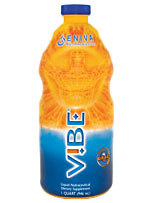
This is why I use a nutritional liquid supplement which is 99.9% absorbable and 100% organic.

Looking to nature, we see the ideal design for nutrient delivery systems - water.  Water is the basis for all nutrient delivery systems for all forms of life.

In plants, nutrients are consumed from the soil and found within the plant in a water-soluble and compatible state that can be used by both plants and people.

When we eat food, it is the body's job to liberate nutrients and further make them available for the body to use through specific body processes. No matter what we put into our bodies, the goal is always the same - to make it soluble/compatible with water.

When it comes to classically designed tablets and pills, most are poorly absorbed and poorly used by the body due to their formulation design. Many of these tablets are not effectively used by the body - containing raw material components that are poor in quality, non-usable fillers, "binders" that inhibit nutrient absorption and the common use of outer waxy coatings that inhibit digestion.

Most liquid supplements contain artificial ingredients and harsh preservatives that diminish their effectiveness. And, many liquid products are also pasteurized or irradiated to prevent bacterial growth. Those processes actually negatively impact the potency and benefits of the product.

The liquid supplement I use, is delivered into the body the way nature intended... fresh with natural ingredients, and most importantly, in a powerful liquid design, and no processes that diminish the benefits and potency of nutrients.

Unleash your body's full potential today.

In the United States:
http://tinyurl.com/VibrantHealthUSA

In Puerto Rico, Mexico, Canada and the United Kingdom:
http://tinyurl.com/VibrantHealth 

Back to Top
 
 
Thyme Herb Remedies and Benefits

Thyme has many herbal medicinal qualities long overlooked. Read on to find out what and why.

Thyme has been used in kitchens throughout the world for centuries and more to flavor stews and mix with roast potatoes. It is a widely used and popular herb found in nearly every kitchen cabinet. It is easy to obtain and relatively inexpensive to purchase fresh or dried. This wonderfully fragrant herb has many uses in the kitchen, but the ones that I wish to discuss here are the ones that most people overlook or never knew of in the first place.

Thyme is derrived from a Greek word meaning courage. The roman soldiers of long ago would bathe in it to invigorate themselves for battle, and the ladies of yore would sew sprigs of the herb into the vests of their errant knights as a token of good luck. The Egyptians used it in their infamous ceremonies as an ingredient in their embalming fluids; it is known to be both a preservative and an antifungal agent.

One of the most useful factors of this herb is its antiseptic qualities. Used as a tea bag and warmed it can cure styes, and greatly aid pink eye or conjunctivitus. The combination of the soothing warmth of the tea bags and the drawing qualities of the herb add up to pure relief when used in this manner.

If you grow it as a fresh herb in your garden it can be crushed and used to clean cuts and scrapes, giving you an immediate garden antiseptic remedy. These qualities have ben proven by laboratory tests and these tests have shown that it does in FACT destroy many forms of fungus and disease causing bacteria. If drank as a tea or eaten raw it can help gastroenteritis greatly, too. Because of its antispasmodic qualities it is also of great relief to women suffering from cramps during their monthly periods.

Used as a tea it can relive both hangovers and also most herbalists recommend it as a digestive aid or tonic. Finally, it is a great cough remedy. Many herbalists recommend its usage for whooping cough, cold, and for sore throats. It is a plant that attracts bees easily and the honey produced by these thyme bees can be readily found in most good supermarkets. This honey plus the teas, that was mentioned before, are the best remedies available for these ailments.
Back to Top
 
Can Spices Improve Your Brain Power?
by Dr. David Eifrig Jr.

"There’s rosemary, that’s for remembrance…"
–Ophelia to Laertes, Hamlet

There are only a few things that make me break out in a cold, heart-stopping, sweaty panic: getting stuck in a dark, tight cave; snakes; and dying alone. Oh, uh, uh… I almost forgot. There is one other thing: losing my memory… my mind… to a life-robbing disease such as Alzheimer’s.

For many of us, the experience of watching a person (be it family, friend, patient, or hero) in the throes of Alzheimer’s is sad, frustrating, and heart wrenching. How helpless it must feel to watch a once vibrant, intelligent, and competent person slowly lose his ability to tie his own shoelaces or recognize his own children. If you know someone close to you or have a friend, there is a wonderful book called The 36 Hour Day by Nancy Mace and Peter Rabins that drives home the point of how frustrating a day for the caregiver of an Alzheimer’s patient truly is. In fact, it is more like a day and a half – hence the title. Often the days are filled with impatience, anger, and “what ifs.” If you know anyone with memory problems or, like me, want to maintain your own mental prowess, try these simple spices in your food regularly. Just maybe we can avoid the predicament altogether.

One spice, Cinnamon powder or sticks, is especially powerful. It affects several physiologic functions of the body. Cinnamon kills bacteria and yeasts that cause stomach ulcers and urinary-tract infections, and even helps the body regulate blood sugar. But for me, the most important benefit of its consumption is increased brainpower. A few years ago, it was discovered that just the smell of cinnamon could improve cognitive function. In that study, it was true that either tasting (technically it was chewing) or smelling cinnamon worked to improve brainpower. WOW… this may lead me to renew my old grade-school days’ habit of chewing cinnamon toothpicks.

The second spice that should be on everyone’s mind (pun intended) is Ginger. It was reported several years ago that ginger might indirectly lower the risk of Alzheimer’s via its anti-inflammatory properties. It turns out that ginger decreases prostaglandins. These are the body’s chemicals that lead to inflammation and perhaps other chronic diseases. Thus, ginger may ease those minor aches and pains in much the same way as aspirin (without the side effects, such as upset stomach), while simultaneously helping maintain brainpower.

My third spice is in the ginger family. It goes by the name of Turmeric. This is the spice that makes Indian food yellow and is responsible for curry’s delectable flavor. It is also the spice that gives mustard its bright yellow color.

Interestingly, in Biblical times, the smell of turmeric was so loved that it was used in perfume making. Its unique and quite pleasant scent makes this spice one of my all-time favorite aromas. Be careful though, some people use the term curcumin interchangeably with turmeric. But curcumin is just an extract of turmeric. So be sure to buy and use the whole spice turmeric, because it contains all of the ingredients and micronutrients. Studies have shown that turmeric activates the expression of a gene that is a powerful antioxidant in the brain. Moreover, researchers at UCLA reported five years ago that one of the ingredients in turmeric actually inhibited the production of amyloid plaques in the brains of rats. Guess what? These plaques are the same plaques implicated in Alzheimer’s disease. In fact, not only did the spice inhibit the NEW production of these plaques, the OLD plaques actually decreased! This is something no drug has ever done! Eat the spice turmeric whenever you can. It is a powerful chemical that probably deactivates the plaque-forming process due to its similarity to the plaque’s structure (just like ginger). More science is forthcoming, but it is pretty clear that this spice is another winner if you’re looking to improve your brainpower.

Finally, my fourth spice (well, it’s technically an herb) for your brain is Rosemary. This spice has similar structural and chemical properties to ginger. And as luck would have it, this spice is actually known as the spice of remembrance. Rosemary is quite complex, with more than a dozen antioxidants and a handful of anti-cholinesterases. These are all chemicals implicated in fighting Alzheimer’s disease. This is one spice I believe science will show should be in everyone’s backyard. In fact, I planted some last week, just a few feet away from my raspberry and blackberry bushes.

When it comes to my brain... What do I do?

  1. 1. I use and smell cinnamon whenever and wherever I can, from my cinnamon-flavored Life cereal, to my cinnamon-flavored oatmeal, to my cinnamon-flavored tea in the middle of winter. I never tire of consuming this spice.
  2. I try to eat Indian food at least once, but often twice, a week. Often I’ll eat a curry dish that is heavy on the turmeric.
  3. I try to get eight hours of sleep a night and try to get up at the same time every morning. This has been shown to help support cognitive function.
  4. I try to consume ginger regularly. This means a weekly trip to my local sushi bar and a request for extra ginger. I also drink ginger ale and, on occasion, will make it myself at home, which is simple, easy, and fun to do.
  5. I eat blueberries whenever I can. They are known for their antioxidant properties and their support of brain function.
  6. I eat cold-water fish three to five times a month in order to get the fish oil, which is thought to help preserve memory function as well as cut down on inflammation processes (another key component in Alzheimer’s).

Here’s to our health,
David Eifrig Jr., M.D., M.B.A.

Back to Top

 
A Natural Remedy for Gingivitis, Toothaches, and Mouth Sores
by Rudy Silva

Everyone has a variety of bacteria in their mouth. Some have more than others. This bacterium helps you by beginning the digestive process.

Excess bacteria in your mouth have now been found to cause more than tooth decay, gingivitis or gum disease. So, you need to know, even though you might not have gingivitis, how to control these plaque-building bacteria in your mouth.

Bacteria that create gingivitis live in your plaque and cause your gums to inflame, bleed, and separate from your teeth. You can also have bad breath when you have gingivitis. In more severe cases, your gums become sore, teeth hurt, gums recede, and teeth loosen.

To stop the inflammation and gum separation use this natural remedy to kill some of these bacteria and strengthen your gums in your mouth.

Here are the herbs and the formula you will need to make a remedy for a mild case of gingivitis:

2 parts white oak bark herb - powder

1 part myrrh gum herb - power or granules

3/4 part Peppermint leaves converted to powder

1/2 part anise herb - power or seeds

1/8 part clove - powder

If herbs and leaves are not in powder form, grind them in a coffee grinder. Use this formula to make as much powder as you want.

Place the mixture into a small container. I usually use a small-unused vitamin bottle.

I usually mix a small amount and use a tablespoon as my measuring tool. For example, 2 tablespoons of white oak, 1 tablespoon of myrrh gum, 3/4 tablespoon of peppermint leaves, and so on. The measurements do not have to be so precise.

How to use it:

To control bacteria in your mouth, use this power once a week. If you have gingivitis, you can use this 3 times a day. Place some powder on your toothbrush and brush your teeth and gums. After brushing spit out, a few time, the saliva and residue powder. Don't rinse out your mouth since you want to keep the active herb powders in your month. You can swallow any that remains in your mouth with no problem.

This powder combination is bitter, but quite powerful and will get the job done. You can add more peppermint powder to make it less bitter, if you like.

For severe cases of gingivitis and toothaches, you can also moist some powder with distilled water and then place the paste all along the your teeth and gums - front and back. Leave the paste in your mouth as long as you can. Don't worry about the herbs getting in between your teeth. This remedy works.

My wife was schedule for a root canal last year and a few weeks before her tooth started paining and couldn't sleep. So I made this remedy. She just placed the powers around the painful area. It wasn't long before the pain stopped and she was able to go to sleep.

There have been other clients that have used this remedy for a month and successfully avoided having the dentist apply gingivitis treatment. In cases of severe gingivitis, go see your dentist and at the same time use this remedy.

Back to Top
 
Apples Will Keep You Happy

Researchers now tell us that grandma was right when she said an apple a day would keep the doctor away! The apple is now being called the all-round health food.

Nutritionists suggest that eating two or three apples a day can boost the body's protection against heart disease, thanks to the fruit's amazing ability to reduce blood pressure and lower dangerously high cholesterol levels. In fact, they say, the higher the cholesterol, the greater the benefits will be if you increase your consumption of apples.

Apples are known for many potent healing powers and they contain chemicals scientists believe may fight certain types of cancer. The reason appears to be that apples are loaded with natural acids that have successfully blocked cancer formation in laboratory studies.

Remember that to get the best health benefit, you have to eat the whole thing, skin and all. The skin contains the high level of pectin fiber, which seems to be the basis for the fruit's amazing power to lower cholesterol or blood pressure, balance blood sugar content and fight off cancer.

Apples are an excellent food source for diabetics and others who need to control blood sugar levels. They rank high among foods that best control blood sugar. Even though the apple is a rich source of natural sugar, something about its content does not cause a rapid, often dangerous rise in blood sugar. also, it prevents the body from pumping out too much insulin which, in turn, helps bring down blood cholesterol and blood pressure.

Whole apples (as opposed to just the juice) are great for dieters. They suppress appetite without robbing the body of necessary nutrients. The rise in blood glucose levels that occurs when you eat an apple makes you feel fuller.

Apple juice also helps keep you healthy and helps the healing process - especially if you're suffering from colds or viruses. People who eat apples regularly have far fewer colds and upper respiratory problems. And researchers have noted that apple eaters also suffered far fewer stress-related illnesses.

The apple may also be the only healing food capable of taking care of two opposite complaints at the same time - constipation and diarrhea.

First apples or applesauce have been used for centuries to help people get back on a regular diet after suffering bouts of diarrhea. The pectin in the apple fiber apparently is the healing factor, which explains why it is included in one of the popular over-the-counter diarrhea remedies. Also, that same fiber is what dietitians have been telling us for decades is necessary to keep us regular and to prevent constipation.

Finally, apples are not only a super healing food, but, as nature's original toothbrushes, they may even prevent cavities, a fact that many of our ancestors probably learned through trial and error, but that modern day researchers have confirmed in the laboratory.

One group of scientists doing a recent study found that apples actually helped clean teeth among a control group of children and therefore significantly cut down on the risk of tooth decay.

Back to Top
 
The Wonders of Garlic

Volumes could be written about the wonders of garlic. It has been recognized for centuries for its medicinal qualities as well as for flavoring and enhancing foods. And now, medical science is linking its use to lower blood pressure and are finding garlic acts to lower blood cholesterol.

Garlic can be an aid against heart attacks because it contains an oil which interferes with the formation of blood clots. If a clot does form, garlic has an ingredient to help dissolve it, and so minimize damage.

Garlic is defined as a bulbous plant of the lily family. It is a strong smelling bulb, made up of small sections called cloves. This distinctive herb should not be confined merely to food preparation because it has many other uses. That's not to say that it doesn't perk up many food dishes and salad dressing. You can try it with practically any soup, and garlic butter will make any bread or roll better. Many vegetable dishes are enhanced by a sprinkle or two of garlic salt.

Garlic has long been recognized for opening up the air passages to enable more freer breathing during sinus attacks, colds and flu. If you can, you might like to grow your own fresh garlic and store it for your own food and medicinal needs. Garlic is always available at your super markets and health food stores.

Some people tend to be extra cautious when it comes to using the herb, garlic. And in fact, the many uses for garlic are still being explored, both in the field of medicine as well as in preparing various foods.

When you consider the medicinal use of garlic in your home remedies, you might also explore the possibilities of livening up some of those tired old recipes and bring smiles to the faces of your family at meal-time.

For a good cough and cold syrup, you can simmer a generous handful of garlic cloves in water until very soft. Mash the garlic and add an equal amount of honey. Then stir in a tablespoon of vinegar.

You can slice a bit of fresh garlic into fried foods to help lessen their artery clogging effects. Old-timers recommend that we eat garlic every day for a healthy heart and to live a longer life.

Prevent infection by wrapping minor abrasions with a soft moss, soaked in garlic juice. Mash up some fresh garlic cloves and rub it on broken skin. It will encourage healing and help discourage infection. Children fed regularly with garlic will not develop worms.

To ease a nagging cough, sip on the juice of raw garlic cloves. This works best when sweetened with honey and flavored with caraway. Garlic is recommended to treat the distress of respiratory infections with hot soup, laced with sliced garlic.

A light broth, rich in garlic, will soothe gas pains. Garlic is also a fine dressing for salads when used with oil and vinegar and may also be made into various vinaigrette dressings in combination with other herbs and spices.

Eat a clove of garlic each day to relieve dizziness. And chew a bit of parsley after you eat foods containing garlic so that it will moderate your breath.

Garlic is used daily in homes around the world. It is prized for the taste and flavor it adds to foods as well as being recognized for its medicinal qualities. It is most definitely a vermifuge, antiseptic, diaphoretic, diuretic, stimulant and expectorant. It is also said to have great value when applied as a topical ointment to skin conditions such as acne or other types of pimples.

Ancient Egyptians ate garlic and it is said that the great tombs of the Egyptian pharaohs could not have been built but for the strength the Israelites gained from their daily ration of garlic and onion. Garlic was a symbol of the cosmos as manifested by its successive layers of skin that form the bulb. The Greeks and the Romans also ate of this magical herb. They used it as a health protector and aphrodisiac.

Garlic is used internally to protect a body from disease and externally as an antiseptic to protect the skin form germs and disease. A couple of interesting and useful garlic recipes are listed below:

GARLIC SOUP

If you have a cold, you can substitute this unique garlic soup for the traditional chicken broth. Recipe yields 4 to 6 servings.

Ingredients:

1 garlic bulb, coarsely chopped
2 tsp. olive oil
4 c. hearty chicken broth
2 - 4 egg yolks, beaten
1/2 c. dry red wine (optional)

Saute the chopped garlic in the olive oil until translucent and tender. It is not necessary to peel the individual cloves. Add the chicken broth. Bring to a slow boil, then reduce the heat and simmer gently until the garlic is mushy, usually about 30 minutes. Put through a strainer into a small pot. Add the beaten egg yolks slowly, stirring all the while. Return to the heat until thickened. Add the wine slowly. When all is incorporated, serve hot or chilled. you'll find it to be delicious either way.

GARLICKED HONEY

Ingredients: Garlic cloves Honey

Peel garlic cloves and put them in a jar. Add honey, a little at a time over a couple of days until the jar is full. Set in a warm window for 2 weeks to a month or until the garlic has turned somewhat opaque and all the garlic flavor has been transferred to the honey.

This garlic honey is an excellent cough syrup. Just take a teaspoonful every couple of hours or whenever it seems necessary. You must remember though, that the honey has a lot of concentrated garlic power in it and one teaspoonful can represent many cloves of garlic. If you are giving this syrup to a child, you should dilute each spoonful with a bit of water. Garlic honey also soothes a sore throat. As an application for acne or herpes it has no equal because it is both healing, soothing and slightly anesthetic. Some cooks like to baste their chicken with this garlic honey mixture. 

Back to Top
 
Turmeric: Nature's Powerful Anti-Inflammatory
by Dr. Mark Wiley

Some of the best Indian food I've ever tasted was cooked in London. I always knew that the British loved Indian cuisine and that they once held governance over the country. But what I didn't know was that curry was introduced to Indian cuisine by the Brits! (Just a little fun fact to chew on)

Aside from your standard Chicken or Goat curries, there is a whole list of Indian dishes that contain flavorful ingredients like cardamom, coriander, ginger, cloves, chili and turmeric. Not only are the recipes tasty, the ones containing turmeric are especially healthful.

In traditional cultures that are thousands of years old like India, there are deep traditions of cooking daily meals with medicinal herbs. These herbs act as preventive measures for sustaining good health, and prevention is the cornerstone of India's traditional Ayurvedic medicine.

Turmeric is one such medicinal root that made it into a vast number of Indian recipes. It is best known for its anti-inflammatory properties. And modern scientists have proven that turmeric's primary chemical constituent, curcumin, truly does reduce swelling in a healthy way.

It is true that inflammation is a natural response your body has to potentially damaging stimuli. Catch cold, sprain an ankle and the immune system kicks in, produces swelling to guard while healing takes place. But often the body does not know how or when to stop the inflammation and this causes too much fibrin in the tissues that can lead to pain and stiffness. If left untreated, it can become a chronic health issue.

Unlike aspirin or ibuprophen, turmeric's curcumin reduces inflammation naturally, without damaging the liver or kidneys. It has been found especially helpful in treating conditions like arthritis, sports injuries, irritable bowel syndrome, Chrone's disease, tendonitis and various autoimmune diseases. Some research even suggests that curcumin may also help those suffering asthma, inflammatory bowel disease and, yes, even cancer.

Since turmeric's curcumin component is an anti-inflammatory as well as an antioxident, it has been used for treating wounds, digestive disorders, liver issues, arthritis, and in the prevention of cancer. Statistics also show that Asian children experience less incidence of leukemia than their Western counterparts, and it seems a diet rich in turmeric may be the reason why.

Recent studies show that rats that were prone to multiple sclerosis developed very few if any symptoms after being given curcumin. And the journal Science reported in their April 23, 2004 issue that curcumin has countered in mice, the genetic damage that leads to cystic fibrosis, a lung disorder. It was also shown that curcumin protects against alcohol's damaging affects on the liver as well as harmonizing the stomach and digestion.

My advice is that everyone enjoy Indian food containing turmeric at least once a week as a symptomatic and preventive measure. However, it is known that many Americans especially are put off by the smells and pungent flavors of curries and other Indian spices and sauces. Well, no need to worry because turmeric is one of the many powerful ingredients found in the natural anti-inflammatory formula called Heal-N-Soothe™.

Click here for more information on Heal-N-Soothe™ and to sign up for a free bottle!

Back to Top

 
What Are Systemic Proteolytic Enzymes and How Can You Benefit from Them?
By Steven Hefferon, CMT, PTA, CPRS

Proteolytic enzymes, also referred to as "proteases," are enzymes that break down proteins into their smallest elements. If this breakdown of proteins happens in your gut, we call the enzymes "digestive," because they help us digest our food. Systemic proteolytic enzymes, however, have a completely different purpose, so please don't confuse the two.

When taken on an empty stomach, proteolytic enzymes will pass through the stomach or intestine lining and enter the circulatory system. This is why they are called "systemic" - once they enter the circulatory system, they circulate throughout the body.

Why are systemic proteolytic enzymes important?

The most important thing that systemic proteolytic enzymes do is to break down excess fibrin in your circulatory system and in other connective tissue, such as your muscles. These enzymes bring nutrients and oxygen-rich blood that remove the metabolic waste produced by inflammation and excess fibrin.

For example, If you have an injury or are recovering from a painful condition of any kind and your blood flow is restricted, you will have a longer recovery process. In addition, the exchange of nutrients and oxygen in your body will be limited, and there will be not only a longer recovery but an increase in pain and inflammation.

One more important thing to understand: Whenever you're recovering from a muscle irritation, injury, or surgery, the body uses fibrin to help heal itself. This is normal and healthy. The only problem is that with poor blood flow and a lack of enzyme activity, that fibrin will start to accumulate. If the area in question is slow to heal, an excess of fibrin will appear as clumps of scar tissue in the muscle or at the surgical site. Once this happens, you acute condition becomes chronic.

Now that you know that excess fibrin throughout your circulatory system will severely limit the amount of blood flow to areas that need it the most, you may be wondering how the body tries to compensate for this restriction. The answer is simple: by forcing the heart to work harder and increasing your blood pressure.

How do you know if you have too much fibrin?

As I have noted, the body will do what it needs to do to keep us alive -sometimes at great cost to your overall health. Some possible indicators of excess fibrin in your system include: chronic fatigue, slow healing, inflammation and pain, and elevated blood pressure. There is also a medical test to measure something called "blood monomers."

The dangers of too much fibrin...

The medical community has long known that excess fibrin presents a cardiac and stroke risk. Finally, they have acknowledged a link between excess fibrin and chronic systemic inflammation, the true root cause of virtually every disease and painful condition know to man.

Which conditions do proteolytic enzymes help and how?

The list below is only a sample of the types of conditions that can be addressed with systemic proteolytic enzymes. If you are still wondering how one little substance can support all of these conditions, remember that they all have one thing in common - excess fibrin, which causes a reduction in blood flow.

Arthritis
Atherosclerosis
Back Pain
Chronic Fatigue
Chronic Pain
Fibrocystic Breast
Fibromyalgia
High Blood Pressure

Herniated Disc
Hyper-coagulation
Sciatica
Spinal Stenosis
Strains and Sprains
Post-operative Scar Tissue
Traumatic Inflammation
Uterine Fibroids

Which would you rather take - a pain killer or a healing enzyme?

Truth is, very few pain killers help heal the body, and in most cases the side effects are rather unpleasant. On the other hand, systemic proteolytic enzymes support the body's ability to heal itself, and they reduce the signs and symptoms of a chronic condition.

Can proteolytic enzymes be used with other pain meds?

I knew you were going to ask. Yes, enzymes can used if you are taking low-dose non-steroidal anti-inflammatory drugs (NSAIDs), as long as they are taken 60 minutes apart.

How about clinical research?

Where is the proof? There are untold numbers of clinical studies that have been done on proteolytic enzymes, and we have 76 of the most relevant studies listed on our site. Let's not forget that these enzymes have been in use in Europe for more than 50 years. And in Japan, some proteolytic enzymes are classified as prescription drugs.

Where do proteolytic enzymes come form?

Some are animal-bases, some are plant-based - such as Bromelain and Papain - and some are fungus-based, such as Serrazimes®.

Which types are best and why?

I recommend plant- and fungus-based enzymes because they tolerate the gastric environment better, so more of the enzymes make their way into the circulatory system.

How long does it take to start to work?

Enzymes go to work immediately. The big difference between enzymes and vitamins is the way they are measured. Enzymes are not measured by weight; they are measured in Units of Fibrolytic Activity, which means how much fibrin they break down in a set amount of time.

The questions you really want answered are: "How long will it take to get pain relief and reduce my inflammation?" and "How fast will my healing happen?" Truth is, there is no simple answer because the healing process and outcome will be different for everyone.

There are a number of factors that bear on how fast the enzymes will work for you, including dosage, quality of sleep, diet, and physical activity. Even the very treatments you are undergoing to try to get better could be holding you back.

Are proteolytic enzymes safe for continued use?

Yes, proteolytic enzymes should be considered safe for continued use. There are three suggested usage protocols: one is a rotation of 12 weeks on and 4 weeks off; two is to take them continuously; and three is to take them on as-needed basis.

Who should not take proteolytic enzymes?

1. Individuals taking prescription blood thinners (Coumadin, Heparin,
   Plavix)
2. Anyone who will be having surgery in less than two weeks
3. Individuals with known ulcers of the stomach
4. Individuals with Gastroesophageal Reflux Disease.(GERD)
5. Pregnant or lactating women
6. Individuals currently taking antibiotics
7. Individuals with an allergic reaction to pineapples or papayas

Are there any side effects?

Proteolytic enzymes have an excellent safety record, with no significant side effects reported. With any supplement, however, there is always the risk of developing an allergy to one or more ingredients. If this happens, you should discontinue use.

Choosing to try systemic proteolytic enzymes.

Remember, the enzymes are supporting the healing process, so recovery from any condition is going to take time. You don't just take the enzymes and expect to get better immediately. By using these enzymes as part of a well-planned recovery process, you're making a commitment to doing what it takes to make improvements in your life.

Everything I've told you so far I learned from people who are far more knowledgeable than I am about the role enzymes play in helping us achieve optimal health.

So, when I say that I had a hand in creating Heal-n-Soothe albeit a small hand - I nevertheless did my part, which was to find the world's best enzyme formulators. Once I had done that, I told them to make me the best product in the world - and that's exactly what they did.

Without question, the Heal-n-Soothe Plus formula has the highest fibrolytic activity of any product in the world per dose. Our formulators blended 11 ingredients that would have a cascading effect, which means that they help support the work of the enzymes and deliver even more beneficial results.

I'm not a big fan of taking a lot of supplements. I drink my multivitamin and pop my enzymes - that's it. I know that trying to figure out which supplements to take can be overwhelming and that taking supplements can get expensive. Still, I look at supplements as a long-term investment toward achieving optimal health.

So, if working toward optimal health is your goal and you think that your life and your body would benefit form having less fibrin and better blood flow, then you should seriously consider enzymes.

If you do decide to try enzymes, do me one favor: Never - ever - buy an enzyme that lists the dose in milligrams (mg) or has "Proprietary Enzyme Blend" on the label.

Enzymes are not measured in mg and should not be sold in mg. "Proprietary Enzyme Blend" is a shady way of not telling you the consumer how much enzyme is in the product, so don't support a company that cannot be honest with you. Demand full disclosure on the label.

Reduce Inflammation and Pain Fast... And Without Harmful and Addictive Drugs!

You don't have to rely on dangerous medications... there is a safer alternative and it's called Heal-n-Soothe and it's THE world's strongest, all-natural pain and inflammation reducing formula. And unlike medications which mask the pain, this powerful formula reduces inflammation in part by replacing enzymes that the body loses as we age.

Click Here to learn more and receive a free-30-day supply of Heal-n-Soothe.

**********
You may also want to grab a copy of my good friend, Jesse Cannone's new book, "The 7-Day Back Pain Cure" asap...

Right now he is actually giving it away... you can also buy it on Amazon, but if you grab one of the copies he's giving away at his website he is going to donate $2 to St. Jude's Children's Hospital or Habitat for Humanity - you even get to choose the charity!

Click Here to get your copy now.

**********

***These statements have not been evaluated by the Food and Drug Administration. This product is not intended to diagnose, treat, cure, or prevent any disease.***

Back to Top

 
Beating The Blues With Exercise

Exercise as an antidote to depression and anxiety is not a new concept. In the 18th century Scotland, doctors in mental hospitals prescribed heavy farm chores as "the best medicine" for their patients and documented marked improvements in mood and behavior. Now scientists are studying the link between exercise and mood changes at close range and coming up with some fascinating results.

One expert in the field says "exercise is clearly associated with mental-health benefits." And moderate exercisers show lowered blood-pressure levels and a resultant positive mood. The key is moderate exercise, performed a minimum of 30 minutes, three or four times a week. Brisk walking, swimming, lifting weights, and bicycling - all achieve good results.

People who exercise regularly, even at something as simple as walking or bicycling, are more flexible. They experience less stress on the muscles and joints when they do bend down the wrong way. Conditioned muscles recover faster, too. It's the couch potato who hauls himself erect one Saturday afternoon to rake the leaves or shovel snow who has trouble.
The big problem we all face these days is living a stressful life. All families seem to be too busy to sit down together and share the joys and pleasures of life. The little things that once mattered are no longer important and now there is a race for more money, more time and more material possessions.

By using simple relaxation techniques, exercising and making changes in our lifestyles, we can manage stress and take control of your lives! Once you have become aware of stress, it's time to relax! There are many techniques for relaxing (and no one method is better than another), but the most basic is deep breathing. One of the body's automatic reactions to stress is rapid, shallow breathing. Breathing slowly and deeply is one of the ways you can "turn off" your stress reaction and "turn on" your relaxation response.

Still another relaxation technique that can help you reduce stress is "clearing your mind." Since your stress response is a physical and emotional interaction, giving yourself a mental "break" can help relax your body as well. When you clear your mind, you try to concentrate on one pleasant thought, work, or image and let the rest of your worries slip away. A short and quiet walk can do wonders and just a walk around the block will clear your head and often give you a new spurt of energy.

Doctors now say that walking is one of the best exercises. It helps the total circulation of blood throughout the body, and thus has a direct effect on your overall feeling of health. There are things such a aerobics, jogging, swimming and many other exercises which will benefit a person both physically and mentally. Researchers agree that exercise helps to ease anxiety and lift spirits.

Back to Top
 
Walking for Exercise and Pleasure

Walking is easily the most popular form of exercise. Other activities generate more conversation and media coverage, but none of them approaches walking in number of participants. Approximately half of the 165 million American adults (18 years of age and older) claim they exercise regularly, and the number who walk for exercise is increasing every year.

Walking is the only exercise in which the rate of participation does not decline in the middle and later yearn. In a national survey, the highest percentage of regular walkers (39.4%) for any group was found among men 65 years of age and older.

Unlike tennis, running, skiing, and other activities that have gained great popularity fairly recently, walking has been widely practiced as a recreational and fitness activity throughout recorded history. Classical and early English literature seems to have been written largely by men who were prodigious walkers, and Emerson and Thoreau helped carry on the tradition in America. Among American presidents, the most famous walkers included Jefferson, Lincoln, and Truman.

Walking today is riding a wave of popularity that draws its strength from a rediscovery of walking's utility, pleasures, and health-giving qualities. This booklet is for those who want to join that movement.

Walking:  The Slower, Surer Way to Fitness

People walk for many reasons: for pleasure ... to rid themselves of tensions ... to find solitude ... or to get from one place to another. Nearly everyone who walks regularly does so at least in part because of a conviction that it is good exercise.

Often dismissed in the past as being "too easy" to be taken seriously, walking recently has gained new respect as a means of improving physical fitness. Studies show that, when done briskly on a regular. schedule, it can improve the body's ability to consume oxygen during exertion, lower the resting heart rate, reduce blood pressure, and increase the efficiency of the heart and lungs. It also helps burn excess calories.

Since obesity and high blood pressure are among the leading risk factors for heart attack and stroke, walking often protection against two of our major killers.

Walking burns approximately the same amount of calories per mile as does running, a fact particularly appealing to those who find it difficult to sustain the jarring effects of long distance jogging. Brisk walking one mile in 15 minutes burns just about the same number of calories as jogging an equal distance in 81/2 minutes. In weight-bearing activities like walking, heavier individuals will burn more calories than lighter persons. For example, studies show that a 110-pound person burns about half as many calories as a 216-pound person walking at the same pace for the same distance.

Although increasing walking speed does not burn significantly more calories per mile, a more vigorous walking pace will produce more dramatic conditioning effects. When looking at the benefits to heart/lung endurance, how far one improves depends on his/her initial fitness level. Someone starting out in poor shape will benefit from a slow speed of walking whereby someone in better condition would need to walk faster and/or father to improve. Recent studies show that there are also residual benefits to vigorous exercise. For a period of time after a dynamic workout, one's metabolism remains elevated above normal which results in additional calories burned.

In some weight-loss and conditioning studies, walking actually has proven to be more effective than running and other more highly-touted activities. That's because it's visually injury-free and has the lowest dropout rate of any form of exercise.

Like other forms of exercise. walking appears to have a substantial psychological payoff. Beginning walkers almost invariably report that they feel better and sleep better, and that their mental outlook improves.

Walking also can exert a favorable influence on personal habits. For example, smokers who begin walking often cut down or quit. There are two reasons for this. One, it is difficult to exercise vigorously if you smoke, and two, better physical condition encourages a desire to improve other aspects of one's life.

In addition to the qualities it has in common with other activities, walking has several unique advantages. Some of these are:

  • Almost everyone can do it.
  • You don't have to take lessons to learn how to walk. Probably all you need to do to become a serious walker is step up your pace and distance and walk more often.
  • You can do it almost anywhere.
  • All you have to do to find a place to walk is step outside your door. Almost any sidewalk, street, road, trail, park, field, or shopping mall will do. The variety of settings available is one of the things that makes walking such a practical and pleasurable activity.
  • You can do it almost anytime.
  • You don't have to find a partner or get a team together to walk, so you can set your own schedule. Weather doesn't pose the same problems and uncertainties that it does in many sports. Walking is not a seasonal activity. and you can do it in extreme temperatures that would rule out other activities.
  • It doesn't cost anything.
  • You don't have to pay fees or join a private club to become a walker. The only equipment required is a sturdy, comfortable pair of shoes.

Walking for Physical Fitness

What makes a walk a workout? It's largely a matter of pace and distance. When you' re walking for exercise, you don't saunter, stroll, or shuffle. Instead, you move out at a steady clip that is brisk enough to make your heart beat faster and cause you to breathe more deeply.

Here are some tips to help you develop an efficient walking style:

  • Hold head erect and keep back straight and abdomen flat. Toes should point straight ahead and arms should swing loosely at sides.
  • Land on the heel of the foot and roll forward to drive off the ball of the foot. Walking only on the ball of the foot, or in a flat-footed style, may cause fatigue and soreness.
  • Take long, easy strides, but don't strain for distance. When walking up or down hills, or at a very rapid pace, lean forward slightly.
  • Breathe deeply (with mouth open, if that is more comfortable).

What to Wear When Walking

A good pair of shoes is the only "special equipment" required by the walker. Any shoes that are comfortable, provide good support, and don't cause blisters or calluses will do, but here are some suggestions to help you make your selection:

  • Good running shoes (the training models with heavy soles) are good walking shoes, as are some of the lighter trail and hiking boots and casual shoes with heavy rubber or crepe rubber soles.
  • Whatever kind of shoe you select, it should have arch supports and should elevate the heel one-half to three-quarters of an inch above the sole of the foot.
  • Choose a shoe with uppers made of materials that "breathe," such as leather or nylon mesh.

Weather will dictate the rest of your attire. As a general rule, you will want to wear lighter clothing than temperatures seem to indicate. Walking generates lots of body heat.

In cold weather, it's better to wear several layers of light clothing than one or two heavy layers. The extra layers help trap heat, and they are easy to shed if you get too warm. A wool watch cap or ski cap also will help trap body heat and provide protection for the head in very cold temperatures.

Walking Poses Few Health Risks

If you are free of serious health problems, you can start walking with confidence. Walking is not as strenuous as running, bicycling, or swimming and consequently involves almost no risk to health. Of course, this statement assumes that you will exercise good judgment and not try to exceed the limits of your condition.

Most physicians recommend annual physical examinations for persons over 40 or 45 years of age. Also, if you have high blood pressure or other cardiovascular problems, you should consult your physician before beginning any kind of exercise program.

Warm-up and Conditioning Exercises

Walking is good exercise for the legs, heart, and lungs, but it is not a complete exercise program. Persons who limit themselves to walking tend to become stiff and inflexible, with short, tight muscles in the back and backs of the legs. They also may lack muscle tone and strength in the trunk and upper body. These conditions can lead to poor posture and chronic lower-back pain, a problem that partially cripples or disables thousands of middle-aged and older Americans.

The exercises that follow are designed to increase flexibility and strength and to serve as a "warm-up" for walking.

Always do the exercises before walking.

Stretcher Stand facing wall arms' length away. Lean forward and place palms of hands flat against wall, slightly below shoulder height. Keep back straight, heels firmly on floor, and slowly bend elbows until forehead touches wall. Tuck hips toward wall and hold position for 20 seconds. Repeat exercise with knees slightly flexed.

Reach and Bend Stand erect with feet shoulder-width apart and arms extended over head. Reach as high as possible while keeping heels on floor and hold for 10 counts. Flex knees slightly and bend slowly at waist, touching floor between feet with fingers. Hold for 10 counts (If you can't touch the floor, try to touch the tops of your shoes.) Repeat entire sequence 2 to 5 times.

Knee Pull Lie flat on back with legs extended and arms at sides. Lock arms around legs just below knees and pull knees to chest, raising buttocks slightly off floor. Hold for 10 to 15 counts. (If you have knee problems, you may find it easier to lock arms behind knees.) Repeat exercise 3 to 5 times.

Sit-ups - Several versions of the sit-up are listed in reverse order of difficulty (easiest one listed first, most difficult one last). Start with the sit-up that you can do three times without undue strain. When you are able to do 10 repetitions of the exercise without great difficulty, move on to a more difficult version.

  1. Lie flat on back with arms at sides, palms down, and knees slightly bent. Curl head forward until you can see past feet, hold for three counts, then lower to start position. Repeat exercise 3 to 10 times.

  1. Lie flat on back with arms at sides, palms down, and knees slightly bent. Roll forward until upper body is at 45-degree angle to floor, then return to starting position. Repeat exercise 3 to 10 times.

  1. Lie flat on back with arms at sides, palms down, and knees slightly bent. Roll forward to sitting position, then return to starting position. Repeat exercise 3 to 10 times.

  1. Lie flat on back with arms crossed on chest and knees slightly bent. Roll forward to sitting position, then return to starting position. Repeat exercise 3 to 10 times.

  1. Lie flat on back with hands laced in back of head and knees slightly bent. Roll forward to sitting position, then return to starting position. Repeat exercise 3 to 15 times.

How Far?... How Fast?... How Soon?

Now that you have decided to begin walking for exercise, you may be shocked at how poor your condition is. If at first you have difficulty in meeting the standards suggested here, don't be discouraged. You can systematically build your stamina and strength back to acceptable levels. Patience is the key to success. Some experts say that it takes a month of reconditioning to make up for each year of physical inactivity.

No one can tell you exactly how far or how fast to walk at the start, but you can determine the proper pace and distance by experimenting. We recommend that you begin by walking for 20 minutes at least four or five times a week at a pace that feels comfortable to you. If that proves to be too tiring, or too easy, reduce or lengthen your time accordingly.

Some very old people and some people who are ill begin by walking for one or two minutes, resting a minute, and repeating this cycle until they begin to be fatigued. Where you have to start isn't important; it's where you're going that counts.

As your condition improves, you should gradually increase your time and pace. After you have been walking for 20 minutes several days a week for one month, start walking 30 minutes per outing. Eventually, your goal should be to get to the place where you can comfortably walk three miles in 45 minutes, but there is no hurry about getting there.

The speed at which you walk is less important than the time you devote to it, although we recommend that you walk as briskly as your condition permits. It takes about 20 minutes for your body to begin realizing the "training effects" of sustained exercise.

The "talk test" can help you find the right pace. You should be able to carry on a conversation while walking. If you're too breathless to talk, you' re going too fast.

The more often you walk, the faster you will improve. Three workouts a week are considered to be a "maintenance level" of exercise. More frequent workouts are required for swift improvement.

Listen to Your Body

Listen to your body when you walk. If you develop dizziness, pain, nausea, or any other unusual symptom, slow down or stop. If the problem persists, see your physician before walking again.

Don't try to compete with others when walking. Even individuals of similar age and build vary widely in their capacity for exercise. Your objective should be to steadily improve your own performance, not to walk farther or faster than someone else.

The most important thing is simply to set aside part of each day and walk. No matter what your age or condition, it's a practice that can make you healthier and happier.

Back to Top

 
AsSeenOnTv.com
Request your Free Back Pain Relief guide
Click Here
Request your Free Sciatica Gone in Just Days guide
Click Here
Request your Free Herniated Disc Healing Miracles guide
Click Here
Designed to optimize the health of digestive & intestinal environments.
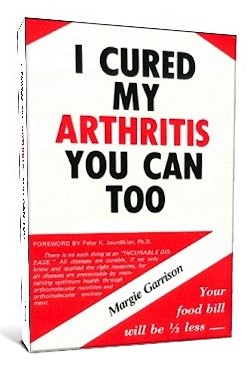
Learn More
"After 43-Years of Suffering with Arthritis I Shocked My Doctors (Who Predicted I'd Soon Need A Wheelchair) When I Naturally Cured My Arthritis... Without Expensive Medication Or Surgery!" And I Know You Can Do The Same!
- Margie Garrison

Learn More
VIBE is a blend of essential nutrients, powerful antioxidants, concentrated minerals and vitamins, and green tea extracts, ideal for combating free radicals that ravage our bodies every day.

Learn More
The 7-Day Back Pain Cure
Free Book Reveals...
How You Can Get LASTING Relief...
And Finally Get Your Life Back!

Get your FREE copy now
Great Taste No Pain! reveals the 95 year old secret of some of the world's healthiest people.  The author promises, what you read will begin to transform your health in less than 24 hrs!

Learn More
The One Minute Cure

Take a look at the Video the Pharmaceutical Industry
Doesn't Want You to See"

Click Here Now 
Watch this life-changing video now before it's banned forever.
Rub On Relief

Contains 18 different botanical and organic ingredients combined synergistically to battle pain and inflammation…

Doesn’t cause “icy-hot” sensations or make you smell like a locker room…

Is 100% safe with none of the cardiovascular and gastrointestinal side effects common to prescription meds and NSAID’s…

And best of all…  It’s clinically PROVEN to give you rapid, safe and effective pain relief… without side effects!

Learn More
The Every Other Day Diet™
Jon Benson, Holly Rigsby, CPT and Daniel Topkis, M.S.

"The Every Other Day Diet combines the science and the do-ability to deliver outstanding results for everyone"

- Dr. Holly Lucille, author of Creating and Maintaining Balance

Learn More
Lower Cholesterol Naturally and Eliminate Harmful Prescription Drugs.
By Consumer Health Advocate, Frank Mangano

Click Here

Super Omega 9® Premium Cooking Oil is the gourmet "Queen of Cooking Oils" exquisitely blended for taste and health. It is loaded with stable omega fatty acids that contribute to good health, similar to olive oil, so prominent in the healthy Mediterranean diet, without the taste of olive oil. The fatty acids in this product promote heart health, support healthy cholesterol, and aid in improving lipid profiles, brain function, and hormonal balance.

Learn More
Cure Your Restless Leg Syndrome Naturally, Anywhere Anytime With A 100% Success Rate--guaranteed.

Learn about Restless Leg Cure, the author and read the many testimonials of people that have used this method with great success.

Learn More
Free Alternative Health Newsletter

"Amazing Secrets To Fantastic Health"
by: Margie Garrison "The Arthritis Lady"

Subscribe today and receive a Special Bonus Report 
"12 Medical Breakthroughs"

You will be notified by email as each newsletter is released.